
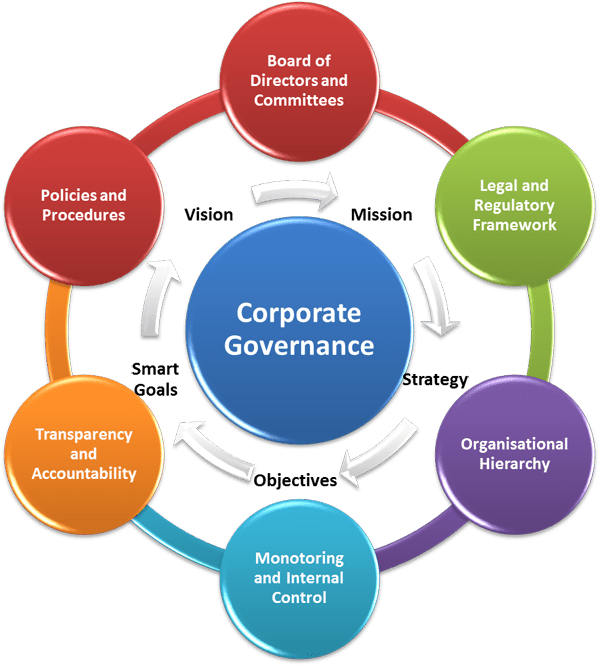
Important Aspects of Governance Transparency and Accountability for UPSC Preparation
Governance transparency and accountability are crucial elements in the functioning of any democratic society. For aspirants preparing for the UPSC exam, understanding these concepts is essential as they form the backbone of effective governance. Let’s delve into the key aspects of governance transparency and accountability:
Transparency in Governance:
Transparency in governance refers to the openness and accessibility of government actions, decisions, and information to the public. It ensures that citizens have access to relevant data, processes, and decisions made by public officials. Transparency promotes trust between the government and its citizens, fosters accountability, and helps prevent corruption.
As UPSC aspirants, it is important to understand how transparency is maintained in various government institutions, including through mechanisms such as Right to Information (RTI) Act, public disclosures of government data, open meetings, and online portals for citizen engagement.
Accountability in Governance:
Accountability in governance holds public officials responsible for their actions and decisions. It ensures that those in power are answerable to the public and can be held liable for any misconduct or negligence. Accountability mechanisms such as audits, ombudsman offices, parliamentary oversight, and whistleblower protection play a vital role in upholding integrity within government systems.
For UPSC preparation, understanding how accountability is enforced at different levels of governance – be it local bodies, state governments or central ministries – is crucial. Aspirants should be familiar with case studies highlighting instances where lack of accountability led to governance failures.
Significance for UPSC Exam:
Governance transparency and accountability are recurring themes in the UPSC syllabus across subjects like General Studies (GS) Paper 2 (Governance), GS Paper 4 (Ethics), Essay Writing etc. Aspirants should be well-versed with these concepts not only for answering questions but also for developing a broader understanding of democratic principles.
Moreover, current affairs often feature stories related to transparency issues like whistleblowing scandals or accountability lapses in government programmes. Keeping abreast with such developments will enrich your preparation and help you connect theoretical knowledge with real-world examples.
In conclusion, governance transparency and accountability are foundational principles that underpin good governance practices. As you gear up for the UPSC exam, make sure to grasp these concepts thoroughly as they will not only help you ace your exams but also equip you with valuable insights into the dynamics of governance in India.
Enhancing Governance: 7 Essential Tips for Transparency and Accountability
- Ensure clear and accessible communication of government decisions and actions.
- Maintain transparency in decision-making processes to build trust with the public.
- Implement mechanisms for public participation in governance to enhance accountability.
- Regularly disclose information about government activities, budgets, and policies.
- Establish independent oversight bodies to monitor government actions and ensure accountability.
- Adopt anti-corruption measures to prevent misuse of power and resources.
- Promote a culture of openness, honesty, and integrity within the government.
Ensure clear and accessible communication of government decisions and actions.
It is imperative to ensure clear and accessible communication of government decisions and actions to uphold governance transparency and accountability for UPSC preparation. Transparent communication fosters trust between the government and its citizens, enabling informed participation in the democratic process. By making information easily available and understandable to the public, government institutions demonstrate their commitment to accountability and openness. Aspirants should grasp the significance of effective communication in governance to navigate through complex issues and promote a culture of transparency in public administration.
Maintain transparency in decision-making processes to build trust with the public.
To excel in the UPSC exam, aspiring civil servants should prioritise maintaining transparency in decision-making processes to cultivate trust and credibility among the public. By ensuring that government actions and choices are clear, accessible, and accountable, candidates can demonstrate a commitment to upholding democratic values and fostering citizen confidence in governance systems. Transparency not only enhances the legitimacy of administrative decisions but also serves as a cornerstone for building strong relationships between policymakers and the community they serve.
Implement mechanisms for public participation in governance to enhance accountability.
Implementing mechanisms for public participation in governance is a crucial step towards enhancing accountability within government systems. By actively involving citizens in decision-making processes, administrations can promote transparency, gather diverse perspectives, and ensure that policies align with the needs and values of the people they serve. Public participation not only fosters a sense of ownership and responsibility among citizens but also acts as a check on governmental actions, thereby strengthening the overall accountability framework. Aspiring UPSC candidates should recognise the significance of empowering the public through participatory mechanisms to uphold democratic principles and drive effective governance practices.
Regularly disclose information about government activities, budgets, and policies.
An essential tip for understanding the crucial aspects of governance transparency and accountability for UPSC preparation is to emphasise the regular disclosure of information regarding government activities, budgets, and policies. By consistently sharing such vital details with the public, governments foster trust, promote citizen engagement, and ensure accountability in decision-making processes. This practice not only enhances transparency within governance structures but also empowers citizens to hold officials accountable for their actions, ultimately contributing to a more informed and participatory democratic system.
Establish independent oversight bodies to monitor government actions and ensure accountability.
Establishing independent oversight bodies to monitor government actions and ensure accountability is a crucial tip for aspirants preparing for the UPSC exam. These bodies play a pivotal role in scrutinising the decisions and conduct of public officials, holding them accountable for their actions. By providing an external check on governmental power, independent oversight bodies help maintain transparency, prevent corruption, and uphold the rule of law. Understanding the significance of such mechanisms is essential for aspiring civil servants to grasp the complexities of governance and contribute to building a more accountable and transparent system of administration.
Adopt anti-corruption measures to prevent misuse of power and resources.
Adopting anti-corruption measures is a crucial step in upholding governance transparency and accountability for UPSC aspirants. By implementing stringent policies and mechanisms to prevent the misuse of power and resources, governments can foster a culture of integrity and ethical conduct. Such measures not only enhance public trust in institutions but also serve as a deterrent to corrupt practices, ensuring that public officials are held accountable for their actions. Understanding the significance of anti-corruption efforts is essential for aspirants preparing for the UPSC exam, as it reflects a commitment to upholding the principles of good governance and ethical leadership.
Promote a culture of openness, honesty, and integrity within the government.
Promoting a culture of openness, honesty, and integrity within the government is a fundamental tip for ensuring governance transparency and accountability in the context of UPSC preparation. By fostering an environment where information is readily shared, decisions are made transparently, and actions are guided by ethical principles, government institutions can build trust with the public and uphold the values of good governance. This culture of openness not only enhances accountability by holding officials to high standards of conduct but also creates a foundation for effective citizen engagement and participation in the governance process. Aspirants aiming to excel in the UPSC exam should recognise the importance of cultivating such a culture within government structures to strengthen democratic practices and ensure responsible governance.