
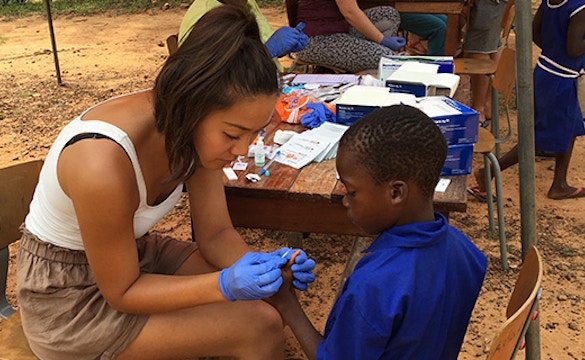
Medical Outreach Program: Bringing Healthcare to Communities in Need
Access to healthcare is a fundamental human right, yet many communities around the world face barriers that prevent them from receiving essential medical services. In response to this critical issue, medical outreach programs have emerged as a vital lifeline for those in underserved areas.
Medical outreach programs are initiatives that bring healthcare services directly to communities that may not have easy access to hospitals or clinics. These programs often involve healthcare professionals, volunteers, and support staff working together to provide essential medical care, screenings, vaccinations, and health education.
One of the key benefits of medical outreach programs is their ability to reach vulnerable populations who may otherwise go without necessary medical attention. By setting up temporary clinics or mobile units in remote or disadvantaged areas, these programs ensure that individuals receive the care they need to stay healthy and address any existing health concerns.
Furthermore, medical outreach programs play a crucial role in raising awareness about preventive healthcare practices and promoting early detection of illnesses. Through community engagement and education initiatives, these programs empower individuals to take charge of their health and well-being.
Overall, medical outreach programs are instrumental in bridging the gap between communities in need and essential healthcare services. By bringing medical care directly to those who require it most, these initiatives contribute significantly to improving health outcomes and quality of life for underserved populations.
As we continue to strive for equitable access to healthcare for all individuals, the importance of supporting and expanding medical outreach programs cannot be overstated. Together, we can work towards a future where every community has access to the quality healthcare they deserve.
Understanding Medical Outreach Programmes: Key Questions and Insights
- What is a medical outreach program?
- How do medical outreach programs benefit communities?
- Who participates in medical outreach programs?
- What services are typically offered in a medical outreach program?
- How can I volunteer for a medical outreach program?
- Are there any costs associated with receiving care through a medical outreach program?
- How are locations for medical outreach programs selected?
- What impact do medical outreach programs have on public health outcomes?
What is a medical outreach program?
A medical outreach program is a vital initiative that aims to bring essential healthcare services directly to communities in need. These programs typically involve healthcare professionals, volunteers, and support staff working together to provide medical care, screenings, vaccinations, and health education to individuals who may not have easy access to traditional healthcare facilities. By setting up temporary clinics or mobile units in underserved areas, medical outreach programs ensure that vulnerable populations receive the necessary medical attention and support to improve their health outcomes. Through community engagement and awareness initiatives, these programs empower individuals to take charge of their well-being and promote preventive healthcare practices.
How do medical outreach programs benefit communities?
Medical outreach programs benefit communities in numerous ways by providing essential healthcare services directly to those in need. These initiatives improve access to medical care for underserved populations, ensuring that individuals receive timely screenings, treatments, and preventive interventions. By bringing healthcare professionals and resources into communities that may lack adequate medical facilities, outreach programs address health disparities and promote overall well-being. Additionally, these programs raise awareness about health issues, empower individuals to take control of their health, and foster a sense of community engagement around healthcare practices. Ultimately, medical outreach programs play a vital role in enhancing the health outcomes and quality of life for communities facing barriers to accessing traditional healthcare services.
Who participates in medical outreach programs?
Medical outreach programs typically involve a diverse group of participants dedicated to providing essential healthcare services to communities in need. This includes healthcare professionals such as doctors, nurses, pharmacists, and medical specialists who volunteer their time and expertise to deliver medical care. Additionally, volunteers from various backgrounds, including students, community members, and support staff, play a crucial role in assisting with logistics, patient intake, and health education efforts. By working together collaboratively, these individuals form a dedicated team that ensures the success of medical outreach programs in reaching and positively impacting underserved populations.
What services are typically offered in a medical outreach program?
In a medical outreach program, a range of essential healthcare services are typically offered to address the needs of communities in underserved areas. These services often include general medical consultations, preventive screenings for conditions such as hypertension and diabetes, vaccinations, basic dental care, and distribution of essential medications. Additionally, health education sessions on topics like nutrition, hygiene practices, and family planning are commonly provided to empower individuals with knowledge to maintain their well-being. By offering a comprehensive suite of healthcare services, medical outreach programs aim to improve access to quality care and promote overall community health.
How can I volunteer for a medical outreach program?
If you are interested in volunteering for a medical outreach program, there are several avenues you can explore to get involved. Many organisations that run medical outreach programs actively seek volunteers with various skill sets, including healthcare professionals, support staff, and individuals passionate about making a difference in underserved communities. You can start by researching local NGOs or healthcare institutions that organise medical outreach initiatives and reaching out to inquire about volunteer opportunities. Additionally, online platforms dedicated to connecting volunteers with outreach programs can be valuable resources for finding ways to contribute your time and expertise towards providing essential healthcare services to those in need.
Are there any costs associated with receiving care through a medical outreach program?
Accessing care through a medical outreach program typically incurs no costs for recipients. These programs are designed to provide essential healthcare services to underserved communities without financial barriers. By offering free or low-cost medical consultations, treatments, and screenings, medical outreach programs ensure that individuals in need can receive the care they require without worrying about financial constraints. This commitment to providing accessible healthcare highlights the inclusive and compassionate nature of medical outreach initiatives, which aim to improve health outcomes and well-being for all individuals, regardless of their ability to pay.
How are locations for medical outreach programs selected?
The selection of locations for medical outreach programs is a meticulous process that takes into account various factors to ensure maximum impact and reach. Typically, areas are chosen based on the level of need, considering factors such as lack of access to healthcare facilities, high prevalence of certain health conditions, and socio-economic disparities. Community input and collaboration with local authorities play a crucial role in identifying areas where the program can make the most significant difference. Additionally, logistical considerations such as transportation infrastructure, availability of resources, and safety concerns are carefully evaluated to ensure the smooth implementation of the outreach activities. By strategically selecting locations for medical outreach programs, organisers can effectively target underserved communities and provide essential healthcare services where they are needed most.
What impact do medical outreach programs have on public health outcomes?
Medical outreach programs play a crucial role in improving public health outcomes by bringing essential healthcare services directly to underserved communities. These programs help address barriers to healthcare access, ensuring that individuals receive timely medical care, screenings, and education. By promoting preventive practices and early detection of illnesses, medical outreach programs empower communities to take proactive steps towards better health. Through their targeted efforts and community engagement, these initiatives contribute significantly to reducing health disparities, enhancing overall well-being, and ultimately improving the public health landscape for vulnerable populations.