
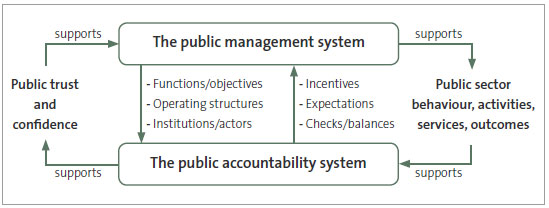
Examples of Political Accountability
Political accountability is a fundamental principle in democratic societies, ensuring that those in power are held responsible for their actions and decisions. Here are some examples of how political accountability plays out in practice:
Elections:
Elections are a key mechanism for holding politicians accountable to the public. By allowing citizens to choose their representatives, elections provide an opportunity for voters to express their approval or disapproval of the incumbent government’s performance.
Parliamentary Oversight:
In parliamentary systems, elected representatives have the responsibility to scrutinise the actions of the government through debates, inquiries, and committees. This oversight function ensures that government officials are answerable to the legislature and ultimately to the people.
Media Scrutiny:
The media plays a crucial role in holding politicians accountable by investigating and reporting on their actions. Journalists expose corruption, incompetence, and unethical behaviour, bringing transparency to government activities and informing the public about potential abuses of power.
Civil Society Engagement:
Civil society organisations, such as advocacy groups and non-governmental organisations, hold governments accountable by monitoring their policies and advocating for change. Through campaigns, protests, and legal action, civil society actors can push for greater transparency and accountability in governance.
Judicial Review:
The judiciary serves as a check on executive power by reviewing the constitutionality of government actions and decisions. Judicial independence ensures that courts can hold politicians accountable for violating the rule of law or infringing on citizens’ rights.
Exploring Political Accountability: Definitions, Examples, and Key Concepts
- What is the meaning of political accountability?
- What is an example of a public accountability?
- What is an example of accountability in the public sector?
- What is an example of accountability?
- What is accountability in simple words?
- What are the 5 C’s of accountability?
What is the meaning of political accountability?
Political accountability refers to the obligation and responsibility of elected officials and government institutions to answer for their actions, decisions, and policies to the public they serve. It is a cornerstone of democratic governance, ensuring that those in power are held answerable for their conduct and performance. Political accountability encompasses transparency in decision-making, responsiveness to citizen concerns, and mechanisms for oversight and scrutiny. Ultimately, it serves to uphold the trust between the government and its citizens by fostering a system where leaders are held to high standards of integrity, competence, and ethical behaviour.
What is an example of a public accountability?
Public accountability is exemplified by the practice of government officials providing regular updates and reports on their activities, decisions, and expenditures to the public. One notable example of public accountability is the publication of annual budget reports by government agencies, detailing how public funds are allocated and spent. Through these transparent disclosures, citizens can hold officials accountable for their financial management and ensure that resources are used effectively and in the public interest. This commitment to openness and transparency is a cornerstone of public accountability, fostering trust between government institutions and the communities they serve.
What is an example of accountability in the public sector?
Accountability in the public sector is exemplified by mechanisms that ensure transparency, responsibility, and integrity in government operations. One notable example of accountability in the public sector is the establishment of independent oversight bodies, such as audit offices or ombudsman institutions. These entities are tasked with monitoring government activities, investigating complaints of maladministration or corruption, and holding public officials accountable for their actions. Through regular audits, investigations, and reports, these oversight bodies help maintain high standards of governance and ensure that public resources are used efficiently and ethically for the benefit of citizens.
What is an example of accountability?
An example of accountability in the political context is when a government official takes responsibility for a policy decision that has led to negative consequences. For instance, if a minister acknowledges errors in the implementation of a public programme and commits to rectifying the situation, they are demonstrating accountability. By owning up to their mistakes and outlining steps to address them, the official shows transparency and a willingness to be answerable to the public for their actions. This kind of accountability fosters trust between citizens and their elected representatives, reinforcing democratic values and principles.
What is accountability in simple words?
Accountability, in simple terms, refers to the obligation of individuals or organisations to take responsibility for their actions, decisions, and policies. It involves being answerable for the outcomes of one’s choices and being transparent about the processes that led to those outcomes. In the context of governance, political accountability means that those in power are held liable for their conduct and performance by citizens, institutions, or other mechanisms. It ensures that elected officials and public servants act in the best interests of the public and can be held to task if they fail to do so.
What are the 5 C’s of accountability?
In discussions about political accountability, the concept of the “5 C’s of accountability” often arises as a framework to understand and assess accountability mechanisms. The 5 C’s typically refer to Clarity, Compliance, Consequences, Communication, and Capacity. Clarity emphasises the need for clear and transparent rules and expectations for those in power. Compliance relates to the importance of adhering to these rules and being accountable for one’s actions. Consequences highlight the idea that there should be repercussions for failing to meet accountability standards. Communication stresses the need for open dialogue between government officials and citizens to foster trust and transparency. Capacity underscores the necessity of having the resources and capabilities to enforce accountability effectively within political systems. These 5 C’s provide a comprehensive guide for evaluating and promoting political accountability in governance structures.