
The Importance of Communicating Diversity and Inclusion
Diversity and inclusion are essential aspects of any thriving society or organisation. Embracing diversity means recognising and valuing differences in people, whether they be related to race, ethnicity, gender, age, sexual orientation, religion, disability, or any other characteristic. Inclusion goes a step further by ensuring that all individuals feel welcomed, respected, and supported.
Effective communication plays a crucial role in promoting diversity and inclusion. It helps create a culture of understanding, empathy, and acceptance among people from diverse backgrounds. By communicating openly and respectfully about differences, we can break down barriers, challenge stereotypes, and foster a sense of belonging for everyone.
Key Strategies for Communicating Diversity and Inclusion
- Educate and Raise Awareness: Organise workshops, training sessions, or awareness campaigns to educate people about the importance of diversity and inclusion.
- Lead by Example: Encourage leaders to demonstrate inclusive behaviours through their actions and words.
- Promote Active Listening: Create spaces where individuals feel heard and understood without judgment.
- Celebrate Differences: Highlight the unique qualities that each person brings to the table.
- Use Inclusive Language: Be mindful of the words you use to ensure they are respectful and inclusive of all identities.
The Benefits of Effective Communication in Diversity and Inclusion
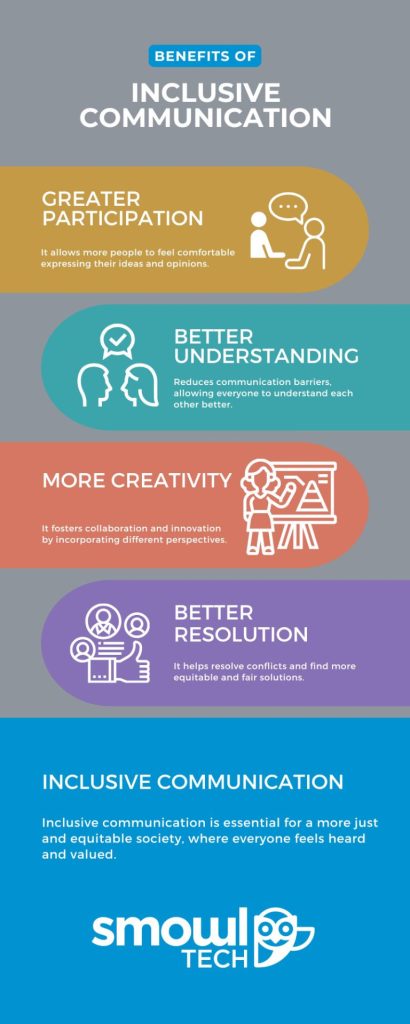
When organisations communicate effectively about diversity and inclusion, they experience numerous benefits. These include:
- Innovation: Diverse teams bring different perspectives that lead to innovative solutions.
- Better Decision-Making: Inclusive environments encourage open dialogue that leads to well-informed decisions.
- Employee Engagement: When employees feel valued for who they are, they are more engaged in their work.
- Cultural Competence: Effective communication fosters cultural competence among team members.
In conclusion, communicating diversity and inclusion is not just a moral imperative; it is also a strategic advantage. By embracing diversity through open dialogue and inclusive practices, we can create stronger communities where everyone feels valued and respected for their unique contributions.
Eight Essential Tips for Effective Communication on Diversity and Inclusion
- 1. Be open-minded and willing to listen to different perspectives.
- 2. Use inclusive language that respects all individuals regardless of their background.
- 3. Educate yourself about different cultures, traditions, and identities.
- 4. Encourage diversity in your workplace or community by promoting equal opportunities for all.
- 5. Celebrate cultural events and holidays to show appreciation for diversity.
- 6. Address any instances of discrimination or bias promptly and effectively.
- 7. Create a safe space where people feel comfortable expressing their unique identities.
- 8. Continuously strive to learn more about diversity and inclusion to improve your communication practices.
1. Be open-minded and willing to listen to different perspectives.
To effectively communicate diversity and inclusion, it is crucial to embody an open-minded approach and demonstrate a willingness to listen to various perspectives. By actively engaging with different viewpoints and experiences, individuals can broaden their understanding, foster empathy, and create a welcoming environment where all voices are valued and respected. Embracing diverse perspectives enriches discussions, promotes inclusivity, and paves the way for meaningful dialogue that drives positive change within communities and organisations.
2. Use inclusive language that respects all individuals regardless of their background.
Using inclusive language that respects all individuals, regardless of their background, is a fundamental aspect of effective communication in promoting diversity and inclusion. By consciously choosing words and phrases that are respectful and considerate of diverse identities, we create a welcoming environment where everyone feels valued and accepted. Inclusive language not only demonstrates our commitment to diversity but also helps build trust and understanding among people from different backgrounds. It is a powerful tool that fosters respect, empathy, and unity within communities and organisations.
3. Educate yourself about different cultures, traditions, and identities.
To effectively promote diversity and inclusion, it is crucial to educate oneself about various cultures, traditions, and identities. By taking the time to learn about the rich tapestry of human experiences, we can cultivate a deeper understanding and appreciation for the differences that make each individual unique. This knowledge not only broadens our perspectives but also enables us to engage with others in a more respectful and inclusive manner, fostering a sense of unity amidst diversity.
4. Encourage diversity in your workplace or community by promoting equal opportunities for all.
Promoting equal opportunities for all individuals in the workplace or community is a powerful way to encourage diversity and inclusion. By actively advocating for fairness and accessibility, organisations and communities can create environments where everyone, regardless of background or identity, has the opportunity to thrive and contribute their unique perspectives. Embracing equal opportunities not only fosters a sense of belonging but also enhances innovation, collaboration, and overall success by harnessing the full potential of diverse talents and experiences.
5. Celebrate cultural events and holidays to show appreciation for diversity.
Celebrating cultural events and holidays is a powerful way to demonstrate appreciation for diversity within a community or organisation. By acknowledging and participating in these occasions, we not only honour different traditions but also create opportunities for cross-cultural understanding and connection. Embracing cultural events fosters a sense of inclusivity and respect for the diverse backgrounds and experiences that enrich our collective identity. It sends a message that everyone’s heritage is valued, contributing to a more welcoming and harmonious environment where individuals feel seen, heard, and celebrated for who they are.
6. Address any instances of discrimination or bias promptly and effectively.
Addressing any instances of discrimination or bias promptly and effectively is crucial in promoting a culture of diversity and inclusion. By taking swift action to address such behaviours, organisations demonstrate their commitment to upholding values of respect and equality. It sends a clear message that discriminatory actions will not be tolerated, fostering a safe and inclusive environment where all individuals feel valued and respected. Openly addressing discrimination helps prevent its recurrence and reinforces the importance of embracing diversity in all aspects of society.
7. Create a safe space where people feel comfortable expressing their unique identities.
Creating a safe space where people feel comfortable expressing their unique identities is a fundamental aspect of promoting diversity and inclusion. When individuals are given the opportunity to share their experiences, perspectives, and identities without fear of judgment or discrimination, it fosters a sense of belonging and acceptance. By establishing an environment where everyone’s voice is valued and respected, we can cultivate a culture of openness, empathy, and mutual understanding that celebrates the richness of diversity within our communities and organisations.
8. Continuously strive to learn more about diversity and inclusion to improve your communication practices.
Continuously striving to learn more about diversity and inclusion is a crucial tip for enhancing communication practices. By expanding our knowledge and understanding of different cultures, identities, and perspectives, we can cultivate a more inclusive environment where all individuals feel valued and respected. Through ongoing education and self-reflection, we can improve our ability to communicate effectively with diverse audiences, fostering meaningful connections and promoting a culture of belonging for everyone involved.