
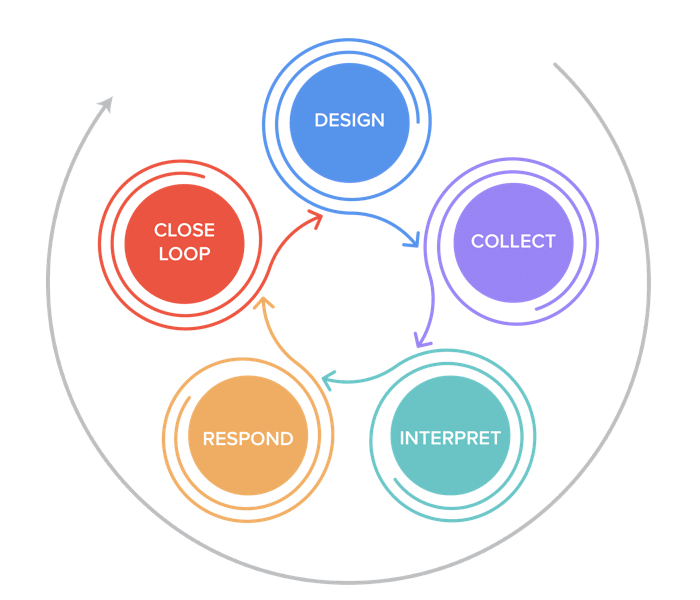
The Power of Community Feedback
Community feedback is a vital component of any thriving society. It serves as a mechanism for individuals to voice their opinions, concerns, and suggestions on matters that impact their lives and surroundings. The exchange of feedback between community members and decision-makers fosters collaboration, enhances transparency, and promotes a sense of ownership within the community.
When community feedback is actively sought and valued, it can lead to more informed decision-making processes. By listening to the diverse perspectives of residents, businesses, and other stakeholders, policymakers can gain valuable insights into the needs and priorities of the community. This inclusive approach helps in crafting policies and initiatives that are responsive to the actual requirements of those they serve.
Moreover, community feedback plays a crucial role in fostering trust between residents and local authorities. When individuals feel that their voices are heard and considered, they are more likely to engage positively with civic processes and contribute towards building a stronger sense of community cohesion.
Embracing community feedback also empowers individuals to become active participants in shaping their own environments. By providing avenues for residents to express their views on issues such as public services, urban planning, or social programmes, communities can harness the collective wisdom of its members to drive positive change from within.
In essence, community feedback acts as a catalyst for progress and development by creating an open dialogue between those in power and those they serve. By recognising the value of diverse perspectives and engaging in constructive conversations with the community at large, we can build more resilient, inclusive, and vibrant societies where every voice has the opportunity to be heard.
9 Essential Tips for Cultivating Constructive Community Feedback
- Encourage open communication and transparency within the community.
- Actively listen to feedback without being defensive or dismissive.
- Show appreciation for all types of feedback, whether positive or negative.
- Regularly seek feedback from community members through surveys, meetings, or other channels.
- Use feedback to make informed decisions and improvements that benefit the community.
- Provide clear channels for submitting feedback and ensure responses are timely.
- Acknowledge and address concerns raised by the community in a respectful manner.
- Keep the community updated on how their feedback has been used to drive change.
- Foster a culture where giving and receiving constructive feedback is valued.
Encourage open communication and transparency within the community.
Encouraging open communication and transparency within the community is key to fostering trust, collaboration, and a sense of shared responsibility. By creating an environment where residents feel empowered to express their thoughts and concerns openly, community leaders can build stronger relationships with the people they serve. Transparency in decision-making processes not only enhances accountability but also ensures that everyone has access to relevant information that impacts their lives. This commitment to open communication lays the foundation for a more inclusive and responsive community where dialogue flourishes, ideas are exchanged freely, and collective solutions can be forged for the common good.
Actively listen to feedback without being defensive or dismissive.
Actively listening to feedback without being defensive or dismissive is a crucial aspect of fostering constructive dialogue within a community. By approaching feedback with an open mind and a willingness to understand different perspectives, we create a welcoming environment where individuals feel valued and respected. This approach not only encourages honest and meaningful communication but also demonstrates a genuine commitment to addressing the concerns and needs of the community. Embracing feedback without defensiveness allows for more inclusive decision-making processes and paves the way for collaborative solutions that benefit everyone involved.
Show appreciation for all types of feedback, whether positive or negative.
In the realm of community feedback, it is essential to demonstrate gratitude for all forms of input, regardless of their sentiment. By valuing both positive and negative feedback, communities can foster a culture of openness and inclusivity that encourages honest communication and constructive dialogue. Appreciating diverse perspectives not only acknowledges the effort individuals put into sharing their thoughts but also signals a commitment to continuous improvement and learning from all experiences. Embracing all types of feedback cultivates a supportive environment where every voice is respected and contributes to the collective growth and development of the community.
Regularly seek feedback from community members through surveys, meetings, or other channels.
To enhance community engagement and foster a culture of transparency, it is imperative to regularly seek feedback from community members through various channels such as surveys, meetings, or other interactive platforms. By actively soliciting input from residents, businesses, and stakeholders, decision-makers can gain valuable insights into the needs and aspirations of the community. This inclusive approach not only strengthens relationships between authorities and citizens but also ensures that policies and initiatives are tailored to address the real concerns of those they serve. Regular feedback mechanisms create a sense of ownership and empowerment among community members, encouraging active participation in shaping the future of their shared environment.
Use feedback to make informed decisions and improvements that benefit the community.
Utilising feedback from the community is a powerful tool for making informed decisions and driving positive change that directly benefits the collective well-being of society. By actively listening to the voices of residents, businesses, and stakeholders, decision-makers can gain valuable insights that guide them towards implementing improvements that address genuine needs and concerns within the community. Embracing feedback as a source of knowledge and guidance allows for more responsive and effective decision-making processes, ultimately leading to tangible enhancements in services, policies, and initiatives that contribute to the overall betterment of the community.
Provide clear channels for submitting feedback and ensure responses are timely.
To maximise the effectiveness of community feedback, it is essential to establish clear channels through which individuals can submit their input and ensure that responses are provided in a timely manner. By offering transparent and accessible avenues for sharing feedback, such as online platforms, suggestion boxes, or community meetings, organisations can encourage active participation and engagement from residents. Additionally, responding promptly to feedback demonstrates a commitment to listening and valuing the opinions of the community, fostering trust and reinforcing the notion that every voice matters in the decision-making process.
Acknowledge and address concerns raised by the community in a respectful manner.
Acknowledging and addressing concerns raised by the community in a respectful manner is essential for fostering trust and building stronger relationships between residents and decision-makers. By showing empathy and actively listening to the feedback provided, authorities demonstrate their commitment to understanding the needs and perspectives of the community. Addressing concerns promptly and transparently not only validates the voices of residents but also paves the way for collaborative solutions that benefit everyone involved. Respectful engagement with community feedback lays the foundation for constructive dialogue, promotes accountability, and ultimately leads to more effective governance processes that reflect the values and aspirations of the community.
Keep the community updated on how their feedback has been used to drive change.
It is essential to keep the community informed about how their feedback has been utilised to instigate positive change. By providing updates on the outcomes and impact of their input, community members feel valued and engaged in the decision-making process. Transparency in showcasing how feedback has influenced tangible actions not only fosters trust and accountability but also encourages continued participation and collaboration within the community. Keeping stakeholders informed about the tangible results of their feedback reinforces the notion that their voices truly matter and have the power to shape a better future for all.
Foster a culture where giving and receiving constructive feedback is valued.
Fostering a culture where giving and receiving constructive feedback is valued is essential for cultivating a thriving and engaged community. By encouraging open and honest communication, individuals feel empowered to share their perspectives and ideas in a respectful manner. Emphasising the importance of constructive feedback creates an environment where feedback is seen as an opportunity for growth and improvement, rather than criticism. This culture of open dialogue not only strengthens relationships within the community but also promotes continuous learning and collaboration towards common goals.