
Communicating with a Diverse Workplace
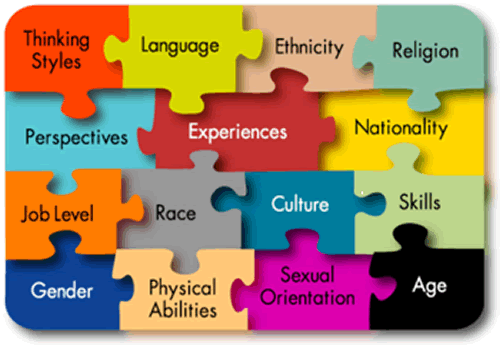
In today’s globalised world, workplaces are becoming increasingly diverse in terms of culture, language, and background. Effective communication is key to fostering a harmonious and productive environment in such diverse settings.
Here are some strategies to enhance communication in a diverse workplace:
- Respect Differences: Acknowledge and respect the diversity present in your workplace. Appreciate different perspectives and approaches to work.
- Active Listening: Listen attentively to your colleagues without making assumptions. Pay attention to non-verbal cues and show empathy towards their viewpoints.
- Clear Communication: Use clear and concise language when conveying information. Avoid jargon or complex terms that may be misunderstood by those with different backgrounds.
- Cultural Sensitivity: Be aware of cultural nuances and differences in communication styles. Adapt your approach to accommodate various cultural norms within the workplace.
- Encourage Feedback: Create an open environment where employees feel comfortable providing feedback. Encouraging dialogue helps address misunderstandings and promotes mutual understanding.
By embracing diversity and implementing effective communication strategies, organisations can harness the unique strengths of their workforce and create a more inclusive and collaborative workplace culture.
9 Benefits of Embracing Diversity in the Workplace: Enhancing Creativity, Inclusion, and Teamwork
- Enhances creativity and innovation through the integration of diverse perspectives.
- Fosters a more inclusive and welcoming work environment for all employees.
- Increases cultural awareness and promotes mutual understanding among team members.
- Boosts employee morale and engagement by valuing individual differences.
- Expands networking opportunities by connecting with individuals from various backgrounds.
- Improves problem-solving capabilities by leveraging a range of viewpoints and experiences.
- Enhances decision-making processes through comprehensive analysis of diverse inputs.
- Strengthens teamwork skills as employees learn to collaborate across different cultures.
- Helps attract top talent by demonstrating a commitment to diversity and inclusion.
Challenges of Communicating in a Culturally Diverse Workplace
- Misunderstandings due to language barriers.
- Cultural differences may lead to conflicts or misunderstandings.
- Difficulty in aligning communication styles across diverse team members.
- Stereotyping or bias in communication interactions.
- Lack of awareness about cultural norms may result in unintentional offence.
- Challenges in conveying subtle nuances or humour that may not translate well across cultures.
- Time-consuming efforts required to ensure effective communication with each individual from diverse backgrounds.
Enhances creativity and innovation through the integration of diverse perspectives.
Communicating with a diverse workplace enhances creativity and innovation by integrating a wide range of perspectives and ideas. When individuals from different backgrounds come together to collaborate and share their unique viewpoints, it fosters a culture of creativity that can lead to innovative solutions and approaches. Embracing diversity in communication allows for the cross-pollination of ideas, sparking new insights and pushing boundaries to drive progress and success within the organisation.
Fosters a more inclusive and welcoming work environment for all employees.
Embracing diversity in the workplace and fostering effective communication among employees of different backgrounds can significantly contribute to creating a more inclusive and welcoming work environment for all. By valuing and respecting the unique perspectives, experiences, and identities of each individual, organisations can cultivate a culture where every employee feels valued, heard, and accepted. This inclusive approach not only boosts employee morale and engagement but also enhances teamwork, creativity, and overall organisational success.
Increases cultural awareness and promotes mutual understanding among team members.
Effective communication in a diverse workplace offers the invaluable benefit of enhancing cultural awareness and fostering mutual understanding among team members. By engaging with colleagues from different backgrounds, employees gain insights into various cultures, traditions, and perspectives. This exposure not only broadens their knowledge but also promotes empathy and respect for diversity. As team members learn to appreciate and understand each other’s backgrounds, they build stronger relationships based on mutual understanding and collaboration, ultimately creating a more harmonious and inclusive work environment.
Boosts employee morale and engagement by valuing individual differences.
Embracing diversity in the workplace boosts employee morale and engagement by valuing individual differences. When employees feel that their unique perspectives, backgrounds, and experiences are respected and appreciated, they are more likely to feel motivated and engaged in their work. Recognising and celebrating diversity not only fosters a sense of belonging among employees but also encourages them to contribute their best ideas and talents, leading to a more dynamic and inclusive work environment where everyone feels valued and empowered.
Expands networking opportunities by connecting with individuals from various backgrounds.
Communicating with a diverse workplace offers the significant advantage of expanding networking opportunities by connecting with individuals from various backgrounds. Interacting with colleagues who bring different perspectives, experiences, and cultural insights to the table not only enriches one’s professional network but also opens doors to new ideas and collaborations. Building relationships across diverse backgrounds fosters a broader understanding of different industries, markets, and global trends, ultimately enhancing personal growth and professional development.
Improves problem-solving capabilities by leveraging a range of viewpoints and experiences.
Communicating with a diverse workplace enhances problem-solving capabilities by leveraging a range of viewpoints and experiences. When individuals from different backgrounds come together to tackle challenges, they bring unique perspectives that can lead to innovative solutions. By encouraging open dialogue and valuing diverse opinions, organisations can tap into a wealth of knowledge and creativity, ultimately fostering a dynamic environment where problems are approached from various angles for more effective and comprehensive resolutions.
Enhances decision-making processes through comprehensive analysis of diverse inputs.
Communicating with a diverse workplace enhances decision-making processes by incorporating a wide range of perspectives and experiences. When diverse inputs are considered, it allows for a more comprehensive analysis of issues, leading to well-informed and innovative solutions. By valuing the different viewpoints within the team, organisations can make more strategic decisions that take into account various factors and potential outcomes. This inclusive approach not only improves the quality of decisions but also fosters a culture of collaboration and mutual respect among employees.
Strengthens teamwork skills as employees learn to collaborate across different cultures.
One significant advantage of communicating with a diverse workplace is that it strengthens teamwork skills as employees learn to collaborate across different cultures. By engaging with colleagues from varied backgrounds, individuals develop a deeper understanding of cultural nuances and communication styles, fostering a more inclusive and harmonious team dynamic. This cross-cultural collaboration not only enhances interpersonal relationships but also cultivates a sense of unity and shared purpose among team members, ultimately leading to more effective and successful teamwork.
Helps attract top talent by demonstrating a commitment to diversity and inclusion.
Communicating effectively with a diverse workplace not only fosters a culture of understanding and collaboration but also serves as a powerful tool for attracting top talent. By demonstrating a genuine commitment to diversity and inclusion through transparent communication practices, organisations can showcase their values and create an environment that appeals to a wide range of skilled professionals. This proactive approach not only enhances the employer brand but also signals to potential candidates that their unique perspectives and backgrounds are valued, ultimately contributing to the recruitment of top-tier talent.
Misunderstandings due to language barriers.
One significant challenge of communicating in a diverse workplace is the potential for misunderstandings arising from language barriers. When individuals speak different languages or have varying levels of proficiency, important nuances can be lost in translation, leading to confusion and misinterpretation. This can impede effective collaboration, hinder productivity, and create friction among team members. Overcoming language barriers requires patience, clarity in communication, and a willingness to seek common ground to ensure that messages are accurately conveyed and understood by all parties involved.
Cultural differences may lead to conflicts or misunderstandings.
In a diverse workplace, cultural differences can sometimes be a source of conflicts or misunderstandings. Varying communication styles, norms, and values among employees from different backgrounds may lead to misinterpretations or friction. Without a clear understanding and appreciation of each other’s cultural perspectives, there is a risk of miscommunication that could potentially escalate into conflicts. It is essential for organisations to address these challenges proactively by promoting cultural sensitivity and providing training on effective cross-cultural communication to mitigate such issues and foster a more harmonious work environment.
Difficulty in aligning communication styles across diverse team members.
One significant challenge of communicating within a diverse workplace is the difficulty in aligning communication styles across team members with varying backgrounds and preferences. Different individuals may have distinct ways of expressing themselves, interpreting information, and engaging in dialogue, making it challenging to establish a universal communication approach that resonates with everyone. This disparity in communication styles can lead to misunderstandings, misinterpretations, and inefficiencies in conveying messages effectively within the team. Finding a balance that accommodates the diverse communication styles while ensuring clarity and understanding for all team members requires careful consideration and proactive efforts to bridge the gap.
Stereotyping or bias in communication interactions.
Stereotyping or bias in communication interactions can be a significant con when dealing with a diverse workplace. Preconceived notions based on stereotypes can hinder effective communication and lead to misunderstandings or conflicts among colleagues. Biases in communication interactions may result in certain individuals feeling marginalized or undervalued, affecting team dynamics and overall productivity. It is essential for organisations to address and mitigate these issues by promoting awareness, providing diversity training, and fostering a culture of respect and inclusivity in the workplace.
Lack of awareness about cultural norms may result in unintentional offence.
In a diverse workplace, one significant con is the potential for unintentional offence due to a lack of awareness about cultural norms. Without a deep understanding of the customs, traditions, and communication styles of different cultural backgrounds, individuals may unknowingly say or do things that are considered disrespectful or inappropriate by their colleagues. This lack of awareness can lead to misunderstandings, strained relationships, and a breakdown in communication within the team. It is essential for organisations to provide cultural sensitivity training and promote cross-cultural awareness to mitigate this risk and foster a more inclusive work environment where all employees feel respected and valued.
Challenges in conveying subtle nuances or humour that may not translate well across cultures.
One significant challenge of communicating in a diverse workplace is the difficulty in conveying subtle nuances or humour that may not translate well across cultures. What may be considered light-hearted banter in one culture could be perceived as offensive or inappropriate in another. This lack of cultural alignment can lead to misunderstandings, tension, and even conflict within the team. Navigating these differences requires sensitivity, awareness, and a willingness to adapt communication styles to ensure that messages are received positively and respectfully by all members of the diverse workforce.
Time-consuming efforts required to ensure effective communication with each individual from diverse backgrounds.
Communicating with a diverse workplace can present challenges, one of which is the time-consuming efforts required to ensure effective communication with each individual from diverse backgrounds. Tailoring communication styles, accommodating cultural differences, and addressing language barriers for every team member can be a demanding task that requires patience and understanding. This additional time investment in fostering clear and inclusive communication with a diverse workforce may lead to delays in decision-making processes and project timelines. However, despite the challenges, the benefits of creating a harmonious and inclusive work environment through effective communication strategies outweigh the initial time constraints.