
Digital Citizen Engagement: Empowering Communities Through Technology
In today’s digital age, the concept of citizen engagement has evolved significantly with the advent of technology. Digital platforms have revolutionised the way citizens interact with governments, non-profit organisations, and each other to participate in decision-making processes and drive positive change in their communities.
One of the key benefits of digital citizen engagement is its ability to break down barriers to participation. Through online forums, social media platforms, mobile apps, and interactive websites, citizens can easily voice their opinions, provide feedback, and collaborate on projects without being constrained by geographical boundaries or time limitations.
Moreover, digital tools enable governments to gather real-time data and insights from a diverse range of citizens, allowing for more informed policy-making and resource allocation. By harnessing the power of technology, decision-makers can engage with a wider audience, identify emerging trends, and address community needs more effectively.
Digital citizen engagement also promotes transparency and accountability in governance. When citizens have access to information about government activities and decisions through online portals and open data initiatives, they can hold officials accountable for their actions and ensure that public resources are used efficiently and equitably.
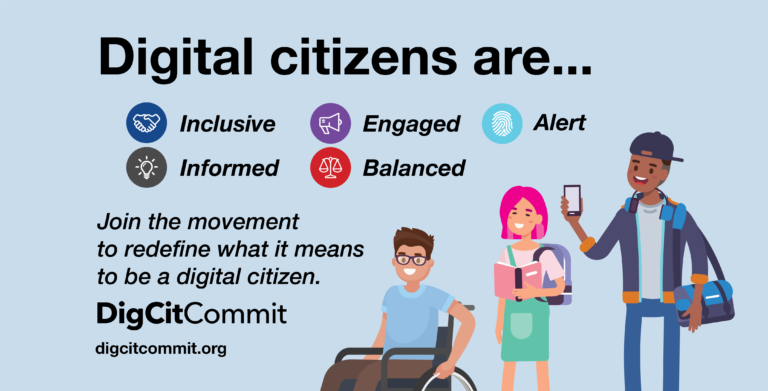
Furthermore, digital platforms facilitate meaningful dialogue between citizens and policymakers. By providing avenues for two-way communication and collaboration, technology fosters a culture of inclusivity where diverse voices are heard and valued. This inclusive approach leads to more responsive policies that reflect the needs and aspirations of all members of society.
As we continue to embrace digital citizen engagement as a powerful tool for civic participation, it is essential to ensure that these platforms are accessible to all members of society. Efforts must be made to bridge the digital divide by providing training, support, and infrastructure to underserved communities so that everyone has the opportunity to engage meaningfully in decision-making processes.
In conclusion, digital citizen engagement holds immense potential for empowering communities, enhancing governance practices, promoting transparency, and fostering inclusive dialogue. By leveraging technology to facilitate active participation and collaboration among citizens and decision-makers, we can build stronger communities that work together towards a common vision of progress and prosperity.
Eight Advantages of Digital Citizen Engagement: Fostering Transparency, Inclusivity, and Empowerment in Governance
- Enhances transparency in governance processes
- Facilitates real-time feedback from citizens
- Promotes inclusivity by providing a platform for diverse voices to be heard
- Increases civic participation and engagement
- Enables more informed decision-making by policymakers
- Strengthens accountability of government officials
- Breaks down geographical barriers to participation
- Empowers communities to drive positive change through collaboration
Challenges of Digital Citizen Engagement: Addressing Exclusion, Misinformation, Privacy, Representation, and Security
- Digital exclusion may marginalise certain groups who lack access to technology.
- Online discussions can sometimes lead to misinformation and polarisation.
- Privacy concerns arise when personal data is collected through digital engagement platforms.
- Digital citizen engagement may not always be representative of the entire population due to disparities in internet usage.
- Cybersecurity threats pose risks to the integrity of online engagement processes.
Enhances transparency in governance processes
Digital citizen engagement plays a pivotal role in enhancing transparency in governance processes by providing citizens with access to information, decision-making processes, and government activities. Through digital platforms, citizens can scrutinise policies, monitor public spending, and hold officials accountable for their actions. This increased transparency fosters trust between governments and citizens, leading to more open and accountable governance practices that reflect the needs and priorities of the community.
Facilitates real-time feedback from citizens
Digital citizen engagement, through its ability to facilitate real-time feedback from citizens, plays a crucial role in enhancing the responsiveness and effectiveness of governance. By providing a platform for citizens to express their opinions, concerns, and suggestions instantaneously, digital tools enable policymakers to receive timely and relevant insights that can inform decision-making processes and policy development. This immediate feedback loop not only fosters transparency and accountability but also ensures that government actions are aligned with the needs and preferences of the community in a dynamic and evolving landscape.
Promotes inclusivity by providing a platform for diverse voices to be heard
Digital citizen engagement, through its promotion of inclusivity, provides a platform for diverse voices to be heard and valued. By breaking down traditional barriers to participation, digital platforms empower individuals from all walks of life to contribute their perspectives, experiences, and ideas to important conversations and decision-making processes. This diversity of voices enriches discussions, fosters empathy, and ensures that policies and initiatives are more reflective of the needs and aspirations of the entire community. In essence, digital citizen engagement creates a space where every individual’s voice matters and where collective action can lead to meaningful change that benefits society as a whole.
Increases civic participation and engagement
Digital citizen engagement through digital platforms has the significant advantage of increasing civic participation and engagement within communities. By providing accessible and user-friendly channels for citizens to voice their opinions, share ideas, and participate in decision-making processes, digital tools empower individuals to play an active role in shaping the future of their society. This increased involvement not only strengthens the bond between citizens and their governments but also fosters a sense of ownership and responsibility towards community development initiatives. Ultimately, by enhancing civic participation, digital citizen engagement contributes to a more vibrant and inclusive democratic process where every voice is heard and valued.
Enables more informed decision-making by policymakers
Digital citizen engagement enables more informed decision-making by policymakers through the collection of real-time data, diverse perspectives, and feedback from a wide range of citizens. By leveraging digital platforms and tools, policymakers can access a wealth of information that helps them understand community needs, identify emerging trends, and make evidence-based decisions that are responsive to the concerns and aspirations of the population they serve. This proactive approach not only enhances the quality of policymaking but also fosters a more transparent and accountable governance process that reflects the voices and priorities of the people.
Strengthens accountability of government officials
Digital citizen engagement serves as a powerful tool in strengthening the accountability of government officials. By providing a platform for citizens to voice their opinions, access information, and participate in decision-making processes, digital technologies create transparency and oversight mechanisms that hold officials accountable for their actions. Through online forums, open data initiatives, and interactive communication channels, citizens can monitor government activities, track policy implementation, and demand accountability from elected representatives. This increased scrutiny not only promotes ethical conduct among officials but also ensures that public resources are used judiciously and in the best interest of the community.
Breaks down geographical barriers to participation
Digital citizen engagement, through the use of digital platforms and technology, effectively breaks down geographical barriers to participation. By providing online forums, social media platforms, and interactive websites, citizens from different locations can easily engage in discussions, share their perspectives, and contribute to decision-making processes regardless of their physical distance. This aspect of digital engagement enables a more inclusive and diverse range of voices to be heard, fostering a sense of community and collaboration that transcends geographical boundaries.
Empowers communities to drive positive change through collaboration
Digital citizen engagement empowers communities to drive positive change through collaboration by providing a platform for citizens to come together, share ideas, and work towards common goals. Through digital tools and platforms, individuals from diverse backgrounds can connect, communicate, and collaborate on initiatives that address pressing issues in their communities. This collaborative approach not only fosters a sense of unity and shared purpose but also leverages the collective knowledge and resources of the community to effect meaningful change. By working together towards common objectives, communities can harness their collective strength to drive positive outcomes and create a lasting impact on society.
Digital exclusion may marginalise certain groups who lack access to technology.
Digital citizen engagement, while offering numerous benefits, also presents a significant con in the form of digital exclusion. This issue can marginalise certain groups within society who lack access to technology or are not proficient in using digital tools. As more interactions and decision-making processes move online, those without adequate technology resources or digital literacy skills may find themselves unable to participate fully in civic engagement activities. This exclusion can deepen existing inequalities and hinder the voices of vulnerable populations from being heard in important discussions and policy-making processes. Addressing digital exclusion is crucial to ensuring that all members of society have equal opportunities to engage meaningfully in shaping their communities and influencing governance decisions.
Online discussions can sometimes lead to misinformation and polarisation.
In the realm of digital citizen engagement, a concerning con arises when online discussions devolve into platforms for spreading misinformation and fostering polarisation within communities. The ease of sharing information online can lead to the rapid dissemination of inaccurate or biased content, which can mislead and confuse participants. Moreover, the anonymity afforded by online platforms can embolden individuals to express extreme views or engage in divisive rhetoric, further deepening existing societal divides. It is crucial for users to critically evaluate information sources and engage in respectful dialogue to mitigate the negative impacts of misinformation and polarisation in digital citizen engagement efforts.
Privacy concerns arise when personal data is collected through digital engagement platforms.
Privacy concerns become a significant con of digital citizen engagement when personal data is collected through online platforms. As citizens participate in digital interactions with governments or organisations, there is a risk that their sensitive information may be gathered and potentially misused. This raises apprehensions about data security, confidentiality, and the potential for breaches that could compromise individuals’ privacy. As such, it is crucial for digital engagement initiatives to prioritise robust data protection measures and transparent policies to address these legitimate privacy concerns and build trust among participants.
Digital citizen engagement may not always be representative of the entire population due to disparities in internet usage.
A significant drawback of digital citizen engagement is that it may not always be representative of the entire population due to disparities in internet usage. In many communities, access to the internet and digital technologies remains unevenly distributed, with certain groups facing barriers such as limited connectivity, lack of digital literacy, or financial constraints. As a result, those who are unable to participate in online platforms may be excluded from important decision-making processes, leading to a skewed representation of the population’s diverse perspectives and needs. This digital divide highlights the importance of addressing inequalities in access to technology to ensure that all voices are heard and considered in the realm of citizen engagement.
Cybersecurity threats pose risks to the integrity of online engagement processes.
Cybersecurity threats present a significant con to digital citizen engagement as they jeopardise the integrity of online participation processes. With the increasing reliance on digital platforms for citizen interaction, the vulnerability to cyber attacks such as data breaches, hacking, and misinformation campaigns raises concerns about the security and authenticity of information shared online. These threats not only undermine trust in the engagement process but also have the potential to manipulate public opinion and distort decision-making outcomes. Addressing cybersecurity risks is crucial to safeguarding the credibility and effectiveness of digital citizen engagement initiatives.