
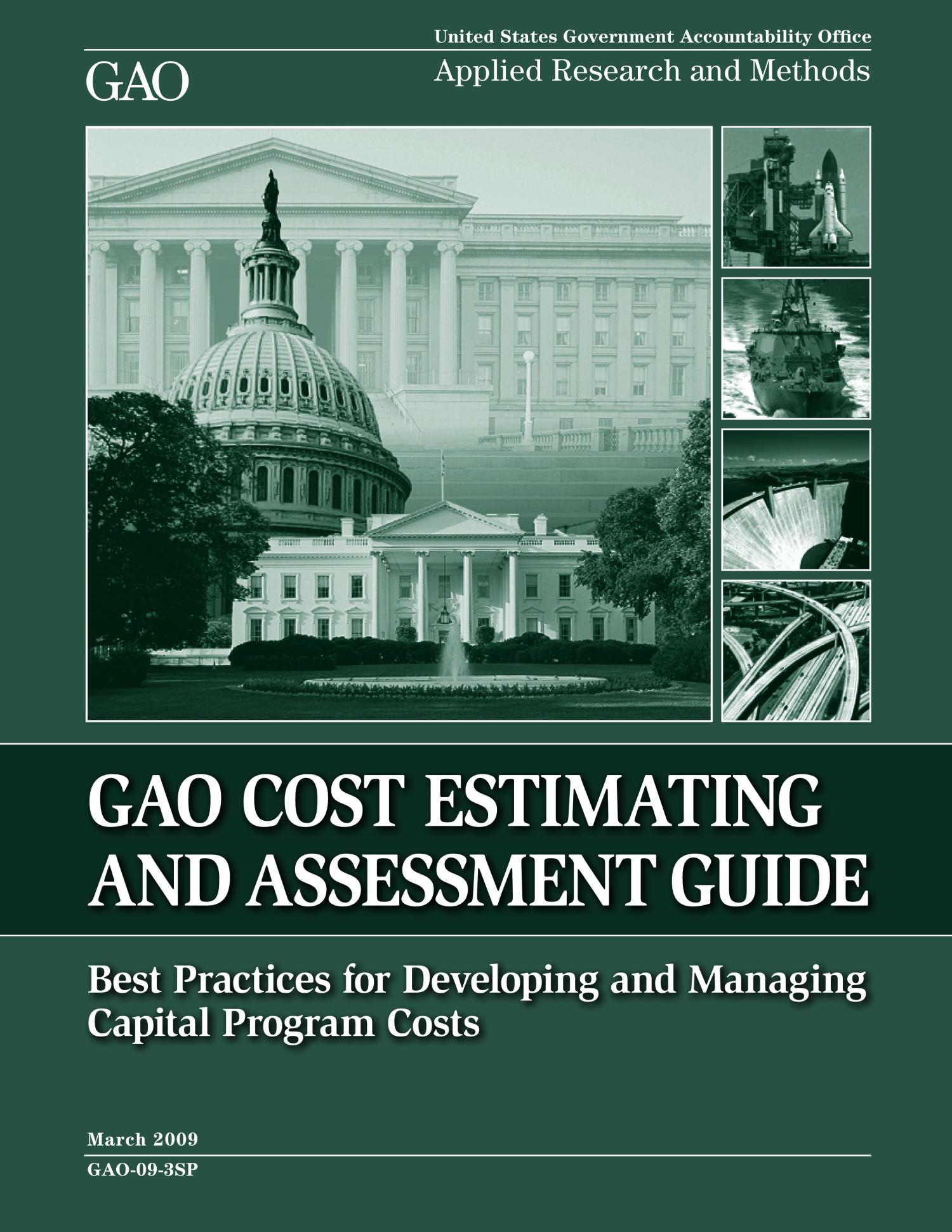
The Importance of Government Accountability Office Address
Government accountability is a crucial aspect of a functioning democracy. One key component of ensuring transparency and oversight in government operations is the establishment of a Government Accountability Office (GAO). The GAO serves as an independent agency that provides auditing, evaluation, and investigative services for the United States Congress.
One fundamental aspect of the Government Accountability Office is its physical address. The GAO headquarters is located at 441 G Street NW, Washington, DC 20548. This central address serves as the hub for the agency’s operations and plays a vital role in promoting government transparency and accountability.
By having a fixed physical address, the Government Accountability Office establishes a visible presence that reinforces its commitment to upholding accountability standards within the government. This address serves as a point of contact for stakeholders, policymakers, and members of the public who seek information or assistance related to government oversight and performance evaluation.
Furthermore, the accessibility of the Government Accountability Office address underscores its role as an independent watchdog that operates with integrity and impartiality. Citizens can visit or reach out to the GAO at its official address to raise concerns, request audits, or provide valuable insights that contribute to improving government efficiency and effectiveness.
In conclusion, the Government Accountability Office address symbolises more than just a physical location; it represents a commitment to transparency, integrity, and accountability in government operations. By maintaining a visible presence through its headquarters address, the GAO reinforces its mandate to serve as a trusted resource for ensuring responsible stewardship of public resources and promoting good governance practices.
Enhancing Government Accountability: The Role of a Dedicated Office Address
- Establishes a visible presence for the Government Accountability Office.
- Serves as a central hub for auditing, evaluation, and investigative services.
- Promotes transparency and oversight in government operations.
- Provides a point of contact for stakeholders and policymakers.
- Reinforces the commitment to upholding accountability standards within the government.
- Symbolises the GAO’s role as an independent watchdog with integrity.
- Allows citizens to visit or contact the GAO for information and assistance.
- Contributes to improving government efficiency and effectiveness.
Challenges of a Centralised Government Accountability Office Address: Accessibility, Security, and Operational Concerns
- Limited accessibility for individuals residing outside of Washington, DC.
- Physical address may not be easily reachable for citizens in remote areas.
- Potential security concerns associated with a fixed headquarters location.
- Cost implications related to maintaining and operating a central office address.
- Risk of protests or disruptions targeting the Government Accountability Office premises.
- Geographical constraints that may hinder in-person interactions with GAO officials.
- Dependency on a single physical address that could be vulnerable to natural disasters or emergencies.
Establishes a visible presence for the Government Accountability Office.
The Government Accountability Office address serves as a cornerstone in establishing a visible presence for the agency, reinforcing its commitment to transparency and oversight in government operations. By having a fixed physical location at 441 G Street NW, Washington, DC 20548, the GAO creates a tangible representation of its role as an independent watchdog. This visible presence not only enhances the agency’s credibility but also provides stakeholders, policymakers, and the public with a central point of contact for inquiries, feedback, and engagement. The physical address symbolises the GAO’s dedication to upholding accountability standards and fostering trust in government processes through open communication and accessibility.
Serves as a central hub for auditing, evaluation, and investigative services.
The Government Accountability Office address serves as a central hub for auditing, evaluation, and investigative services, playing a pivotal role in upholding transparency and oversight in government operations. By consolidating these essential functions in one location, the GAO can efficiently conduct thorough examinations of federal programs and activities, evaluate government performance, and investigate potential areas of concern. This centralisation ensures that the GAO can effectively carry out its mandate to provide independent and objective assessments to the United States Congress, promoting accountability and informed decision-making within the government.
Promotes transparency and oversight in government operations.
The Government Accountability Office address serves as a beacon of transparency and oversight in government operations. By providing a fixed physical location for the GAO headquarters, the agency reinforces its commitment to upholding accountability standards within the government. This visible presence not only symbolises transparency but also facilitates accessibility for stakeholders, policymakers, and the public to engage with the GAO. The address acts as a cornerstone for promoting open communication, encouraging scrutiny of government activities, and ensuring that operations are conducted with integrity and adherence to established regulations.
Provides a point of contact for stakeholders and policymakers.
The Government Accountability Office address serves as a crucial point of contact for stakeholders and policymakers, facilitating direct communication and engagement with the agency. By having a fixed physical location, stakeholders and policymakers can easily reach out to the GAO for information, feedback, or collaboration opportunities. This accessibility fosters transparency and accountability in government operations, enabling meaningful dialogue and cooperation between key decision-makers and those invested in ensuring effective governance practices.
Reinforces the commitment to upholding accountability standards within the government.
The fixed physical address of the Government Accountability Office serves as a powerful symbol that reinforces the agency’s unwavering commitment to upholding accountability standards within the government. By establishing a visible presence at 441 G Street NW, Washington, DC 20548, the GAO demonstrates transparency and accessibility in its operations. This tangible address not only signifies the agency’s dedication to oversight and evaluation but also signifies its readiness to engage with stakeholders, policymakers, and the public in promoting responsible governance practices. The presence of a concrete address underscores the GAO’s role as an independent watchdog that stands firm in ensuring that government entities operate with integrity and adhere to established accountability standards.
Symbolises the GAO’s role as an independent watchdog with integrity.
The Government Accountability Office address serves as a powerful symbol of the GAO’s role as an independent watchdog with unwavering integrity. By establishing a fixed physical location at 441 G Street NW, Washington, DC 20548, the GAO demonstrates its commitment to upholding accountability standards within the government. This address not only provides a central hub for the agency’s operations but also signifies its dedication to impartiality and transparency in conducting audits, evaluations, and investigations. It serves as a visible reminder of the GAO’s essential function as a trusted guardian of public resources and a beacon of integrity in promoting good governance practices.
Allows citizens to visit or contact the GAO for information and assistance.
The Government Accountability Office address serves as a valuable pro by allowing citizens to visit or contact the GAO for information and assistance. This accessibility fosters transparency and engagement between the government agency and the public, enabling individuals to seek clarification, raise concerns, or request support regarding government oversight and performance evaluation. By providing a physical location for interaction, the GAO address empowers citizens to actively participate in promoting accountability within the government and contributes to building a more informed and responsive democratic society.
Contributes to improving government efficiency and effectiveness.
The Government Accountability Office address plays a pivotal role in enhancing government efficiency and effectiveness by serving as a central point of contact for stakeholders, policymakers, and the public. Through its physical presence, the GAO fosters transparency and accountability within government operations, enabling citizens to raise concerns, request audits, and provide valuable insights that contribute to informed decision-making. This direct engagement facilitated by the GAO address helps identify inefficiencies, address shortcomings, and implement reforms that ultimately lead to a more efficient and effective government machinery.
Limited accessibility for individuals residing outside of Washington, DC.
One significant con of the Government Accountability Office address is its limited accessibility for individuals residing outside of Washington, DC. The centralised location of the GAO headquarters may pose challenges for citizens, stakeholders, and policymakers from other regions who wish to engage with the agency. This geographical constraint can hinder the ability of individuals living outside Washington, DC to visit the office in person or easily access its services. As a result, those residing in distant locations may face difficulties in directly interacting with the GAO, potentially limiting their participation in oversight activities and engagement with government accountability processes.
Physical address may not be easily reachable for citizens in remote areas.
One significant drawback of the Government Accountability Office having a fixed physical address is that it may not be easily reachable for citizens residing in remote areas. The central location of the GAO headquarters in Washington, DC, could pose challenges for individuals living in distant or rural regions who wish to access the agency’s services or engage with its operations. This limitation in accessibility could potentially hinder the ability of some citizens to participate fully in the oversight and accountability processes facilitated by the GAO, creating a disparity in engagement opportunities based on geographical proximity to the agency’s address. Efforts to mitigate this con could involve implementing alternative communication channels or outreach strategies to ensure that all citizens, regardless of their location, have equitable access to government accountability resources and information.
Potential security concerns associated with a fixed headquarters location.
One significant con of having a fixed headquarters location for the Government Accountability Office is the potential security concerns it raises. Operating from a static address can make the GAO vulnerable to security threats, such as physical attacks or cyber intrusions targeted at disrupting its operations or compromising sensitive information. In an era where security risks are constantly evolving, maintaining a permanent headquarters address may expose the agency to heightened levels of risk, necessitating robust security measures and protocols to safeguard both personnel and critical data.
Cost implications related to maintaining and operating a central office address.
The con of having a central Government Accountability Office address lies in the cost implications associated with maintaining and operating such a physical location. Establishing and running a central office address incurs expenses related to rent, utilities, maintenance, security, and other overhead costs. These financial commitments can place a strain on the agency’s budget, potentially diverting resources away from core functions such as auditing, evaluation, and investigative services. Moreover, in an era where remote work and digital communication are increasingly prevalent, the necessity of a fixed physical address may be questioned in terms of cost-effectiveness and efficiency. The ongoing financial burden of sustaining a central office address poses a challenge to the Government Accountability Office’s ability to allocate resources strategically and optimise its operations in an ever-evolving landscape of government oversight and accountability.
Risk of protests or disruptions targeting the Government Accountability Office premises.
One significant con associated with the Government Accountability Office address is the risk of protests or disruptions targeting the premises. As a central hub for government oversight and accountability, the GAO headquarters may become a focal point for individuals or groups seeking to voice their grievances or draw attention to specific issues through demonstrations or disruptions. Such protests have the potential to disrupt normal operations, compromise security measures, and create challenges for staff and visitors accessing the premises. Additionally, these incidents could divert resources and attention away from the core functions of the GAO, impacting its ability to effectively carry out its auditing and evaluation duties for the benefit of Congress and the public. Addressing this risk requires implementing robust security protocols and communication strategies to mitigate potential disruptions while upholding the principles of transparency and open dialogue.
Geographical constraints that may hinder in-person interactions with GAO officials.
One significant con of the Government Accountability Office address is the geographical constraints that may hinder in-person interactions with GAO officials. The central location of the GAO headquarters in Washington, DC, may pose challenges for individuals or groups located far from the capital city. This limitation could restrict direct access to GAO officials for those unable to travel to the headquarters, potentially excluding valuable input and feedback from a diverse range of stakeholders. The geographical barrier may impede face-to-face engagements that could enhance transparency and communication between the GAO and citizens across different regions, highlighting a potential drawback in fostering widespread accountability and engagement.
Dependency on a single physical address that could be vulnerable to natural disasters or emergencies.
One significant con of having a government accountability office address is the dependency on a single physical location, which could be vulnerable to natural disasters or emergencies. Relying on a central address for the operations of the Government Accountability Office poses a risk in situations where the facility may become inaccessible due to unforeseen events such as earthquakes, floods, or other emergencies. In the event of a natural disaster or crisis, the disruption of services at the GAO headquarters could hinder its ability to carry out essential auditing and oversight functions, potentially impacting the timely delivery of critical reports and assessments to Congress. This vulnerability highlights the importance of contingency planning and decentralisation strategies to ensure continuity of government accountability efforts even in challenging circumstances.