
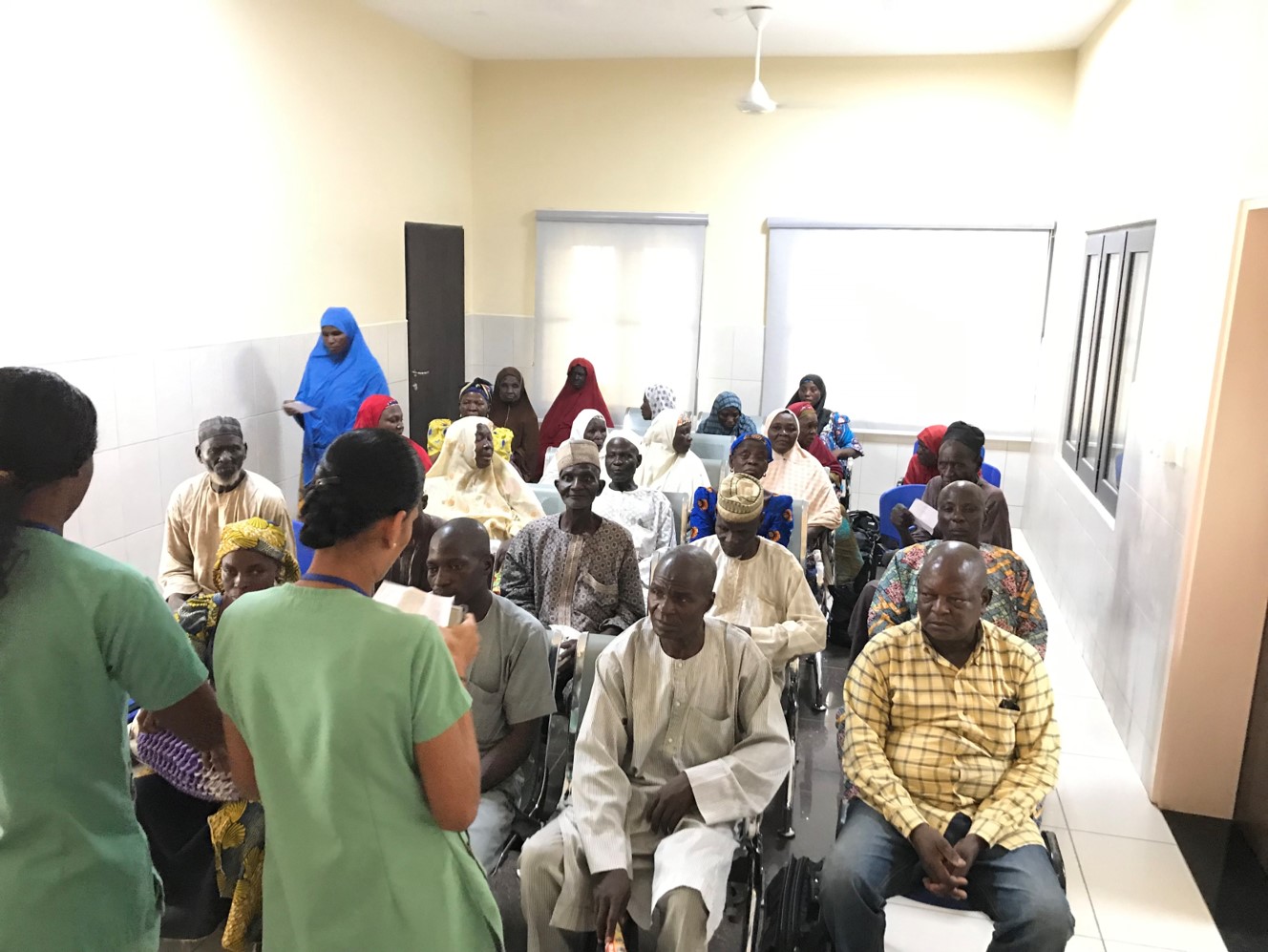
Healthcare Outreach Programs: Bridging Gaps and Saving Lives
Healthcare outreach programs play a crucial role in ensuring that underserved communities have access to essential medical services. These programs are designed to bridge the gaps in healthcare delivery, reaching those who may not have easy access to hospitals or clinics.
One of the key benefits of healthcare outreach programs is their ability to bring preventive care and health education directly to communities. By organising screenings, vaccinations, and health seminars in local neighbourhoods, these programs empower individuals to take charge of their well-being and make informed decisions about their health.
Moreover, healthcare outreach programs often target vulnerable populations such as low-income families, the elderly, and rural residents who may face barriers to accessing healthcare. By bringing medical professionals and resources directly to these communities, these programs help ensure that no one is left behind when it comes to receiving quality care.
Another important aspect of healthcare outreach programs is their role in promoting early detection and treatment of diseases. Through regular check-ups and screenings, individuals can be diagnosed early, leading to better health outcomes and potentially saving lives.
In addition to providing medical services, healthcare outreach programs also focus on addressing social determinants of health such as poverty, education, and housing. By taking a holistic approach to community well-being, these programs aim to create healthier environments that support overall health and wellness.
In conclusion, healthcare outreach programs are vital initiatives that contribute significantly to improving public health outcomes. By reaching out to underserved communities, providing essential services, and promoting preventive care, these programs play a crucial role in bridging gaps in healthcare delivery and ultimately saving lives.
Understanding Healthcare Outreach Programmes: Key Questions and Answers
- What is a healthcare outreach program?
- How do healthcare outreach programs benefit communities?
- Who can participate in healthcare outreach programs?
- What services are typically offered in healthcare outreach programs?
- How are healthcare outreach programs funded?
- Are there any eligibility criteria to receive services from healthcare outreach programs?
- How can individuals get involved or support healthcare outreach programs?
What is a healthcare outreach program?
A healthcare outreach program is a structured initiative aimed at providing essential medical services and health education to communities that may face barriers to accessing traditional healthcare facilities. These programs are designed to reach underserved populations, such as low-income families, rural residents, and the elderly, by bringing preventive care, screenings, vaccinations, and health seminars directly to their local neighbourhoods. By facilitating direct interaction between healthcare providers and community members, healthcare outreach programs empower individuals to take control of their health and well-being while addressing disparities in healthcare access.
How do healthcare outreach programs benefit communities?
Healthcare outreach programs bring a multitude of benefits to communities by providing essential medical services directly to their doorstep. These programs play a pivotal role in ensuring that underserved populations have access to preventive care, screenings, and health education. By reaching out to vulnerable groups who may face barriers to healthcare access, such as low-income families and rural residents, healthcare outreach programs help bridge the gap in healthcare delivery and promote early detection and treatment of diseases. Additionally, these initiatives address social determinants of health, creating healthier environments that support overall well-being within communities. Through their holistic approach, healthcare outreach programs empower individuals to take charge of their health and make informed decisions, ultimately contributing to improved public health outcomes and the overall well-being of the community.
Who can participate in healthcare outreach programs?
Healthcare outreach programs welcome participation from a diverse range of individuals and communities. These programs are designed to be inclusive, ensuring that anyone in need of healthcare services or information can benefit from their offerings. Whether you are a resident of an underserved area, belong to a vulnerable population group, or simply seek access to preventive care and health education, healthcare outreach programs are open to all. By fostering a welcoming and supportive environment, these initiatives encourage active participation from individuals of varying backgrounds, ultimately striving to improve the health and well-being of the wider community.
What services are typically offered in healthcare outreach programs?
Healthcare outreach programs typically offer a wide range of essential services to ensure comprehensive care for underserved communities. These programs often include medical screenings for various health conditions, vaccinations to prevent diseases, health education sessions to promote awareness and healthy lifestyle choices, access to primary healthcare services such as consultations and treatment, distribution of essential medications and supplies, and referrals to specialised care when needed. By providing a holistic approach to healthcare delivery, healthcare outreach programs aim to address the diverse needs of individuals and communities while promoting overall well-being and preventive care.
How are healthcare outreach programs funded?
Healthcare outreach programs are typically funded through a combination of sources, including government grants, private donations, philanthropic organisations, and partnerships with healthcare institutions. Government funding plays a significant role in supporting these programs, as it ensures that essential healthcare services can reach underserved communities. Private donations from individuals and corporations also provide crucial financial support, allowing outreach programs to expand their reach and impact. Collaborations with healthcare institutions enable access to resources and expertise that enhance the effectiveness of these programs. Overall, the diverse funding sources for healthcare outreach programs demonstrate a collective commitment to improving community health and well-being through sustainable and inclusive initiatives.
Are there any eligibility criteria to receive services from healthcare outreach programs?
Healthcare outreach programs typically have eligibility criteria in place to ensure that services are targeted towards those who are most in need. These criteria may vary depending on the specific program and its focus, but commonly include factors such as income level, age, residency status, and health condition. By establishing clear eligibility guidelines, healthcare outreach programs can effectively reach and support individuals who require medical assistance the most, thus maximising the impact of their services on improving community health outcomes.
How can individuals get involved or support healthcare outreach programs?
Individuals can get involved or support healthcare outreach programs in various ways. One impactful way is to volunteer time and skills to assist in organising and implementing outreach activities such as health screenings, educational sessions, or community health fairs. Additionally, individuals can donate funds or resources to help cover the costs of medical supplies, transportation, and other essential needs for these programs. Another way to support healthcare outreach initiatives is to spread awareness about their importance within the community and encourage others to participate or contribute. By collectively engaging in these efforts, individuals can play a crucial role in ensuring that healthcare outreach programs continue to make a positive impact on underserved populations and promote better health outcomes for all.