
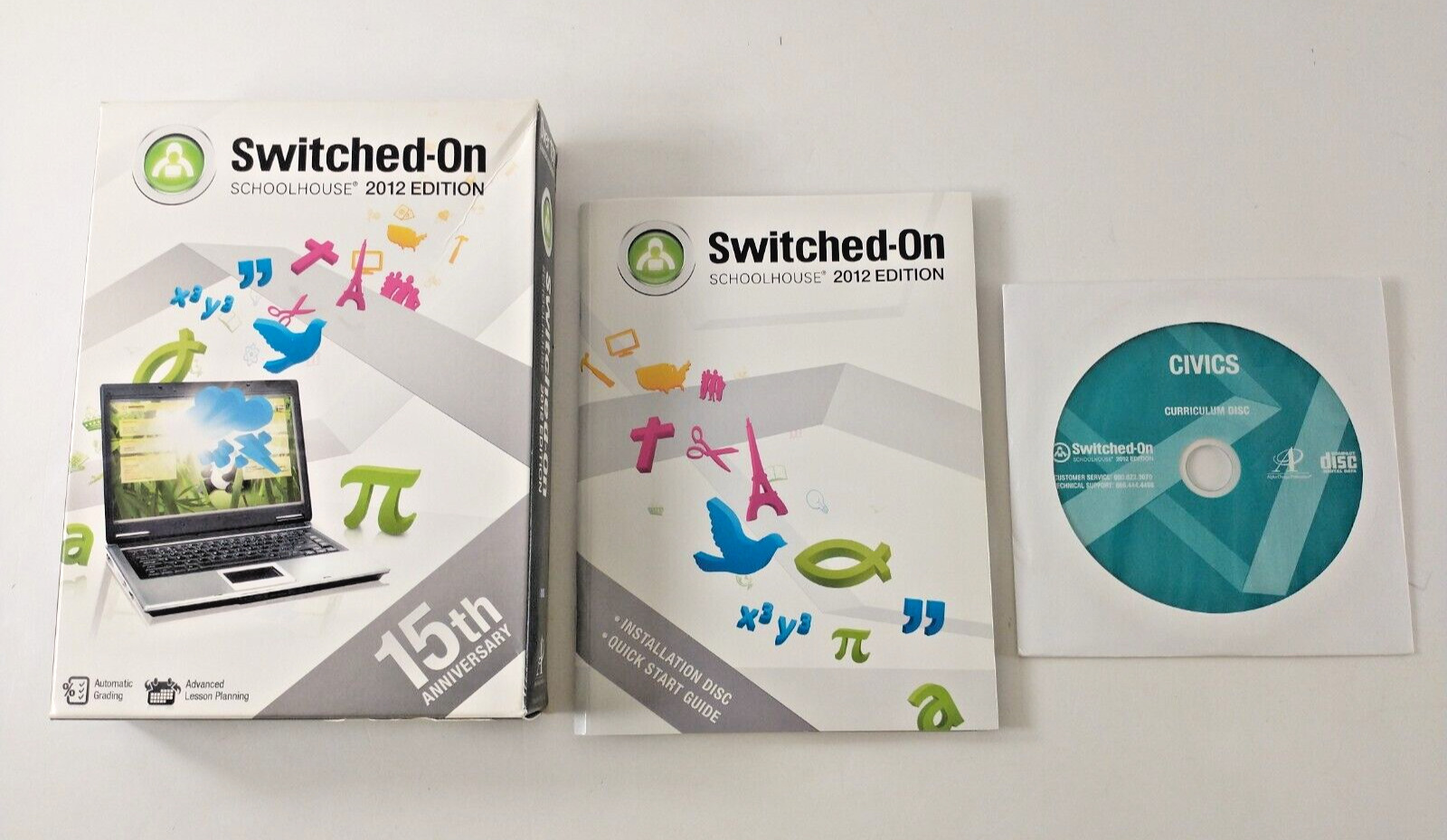
The Importance of Homeschool Civics Curriculum
As homeschooling continues to gain popularity, parents are increasingly looking for comprehensive and engaging curricula to educate their children on important subjects. One crucial area of study that should not be overlooked is civics education.
Civics education plays a vital role in shaping responsible and informed citizens who understand the workings of government, the rights and responsibilities of individuals, and the importance of active participation in society. By incorporating a civics curriculum into homeschooling, parents can equip their children with the knowledge and skills necessary to become engaged members of their communities.
Studying civics helps students develop critical thinking skills, understand the principles of democracy, and appreciate the value of diversity and inclusivity in society. It also encourages them to become informed decision-makers who can contribute positively to their communities.
When designing a homeschool civics curriculum, parents can cover a wide range of topics, including the structure of government, the electoral process, civil rights and liberties, public policy issues, and global citizenship. By exploring these subjects in depth, students gain a deeper understanding of how society functions and how they can make a difference.
Interactive activities such as mock elections, community service projects, debates on current events, and discussions on ethical dilemmas can further enhance the learning experience and foster civic engagement among homeschool students.
Ultimately, integrating a civics curriculum into homeschooling not only provides students with valuable knowledge about their rights and responsibilities as citizens but also empowers them to become active participants in shaping the future of their communities and society at large.
Seven Essential Tips for an Engaging and Comprehensive Homeschool Civics Curriculum
- Incorporate real-world examples and current events to make civics lessons relevant.
- Encourage debates and discussions on various political issues to develop critical thinking skills.
- Teach the importance of civic engagement and ways to participate in democracy.
- Include lessons on the structure of government and how laws are made.
- Explore different forms of government around the world to provide a broader perspective.
- Utilize online resources, documentaries, and guest speakers to enhance learning experiences.
- Assign projects that require students to research and analyse political topics independently.
Incorporate real-world examples and current events to make civics lessons relevant.
To enhance the effectiveness of a homeschool civics curriculum, it is essential to incorporate real-world examples and current events into lessons. By connecting theoretical concepts to practical scenarios, students can better understand the relevance of civics education in their everyday lives. Analysing current events allows students to see how government decisions impact society and encourages them to critically evaluate the role of citizens in shaping public policies. This approach not only makes civics lessons more engaging and relatable but also equips students with the skills needed to navigate the complexities of a dynamic and ever-changing world.
Encourage debates and discussions on various political issues to develop critical thinking skills.
Encouraging debates and discussions on various political issues within the homeschool civics curriculum is a valuable strategy to foster critical thinking skills in students. By engaging in thoughtful conversations about complex topics such as government policies, social justice issues, and global affairs, students learn to analyse different perspectives, evaluate evidence, and articulate their own opinions effectively. These debates not only deepen their understanding of civic issues but also empower them to become informed and active participants in shaping the world around them.
Teach the importance of civic engagement and ways to participate in democracy.
In a homeschool civics curriculum, it is essential to emphasise the significance of civic engagement and educate students on various ways to actively participate in democracy. By teaching children about the importance of being informed, involved citizens, parents can instil a sense of responsibility and empowerment in their learning journey. Encouraging discussions on volunteering, voting, advocacy, and community involvement can help students understand how their actions can make a meaningful impact on society. This focus on civic engagement not only equips homeschoolers with the tools to contribute positively to their communities but also nurtures a deeper appreciation for the democratic principles that underpin our society.
Include lessons on the structure of government and how laws are made.
In a homeschool civics curriculum, it is essential to include lessons on the structure of government and how laws are made. Understanding the framework of government, including the separation of powers, the roles of different branches, and the functions of local, regional, and national levels of government, provides students with a solid foundation in civic knowledge. Exploring the legislative process and how laws are created helps students grasp the importance of rule-making in society and encourages them to appreciate the complexities of governance. By incorporating these lessons, homeschoolers can gain a comprehensive understanding of how their democracy functions and how they can actively participate in shaping its future.
Explore different forms of government around the world to provide a broader perspective.
To enhance the homeschool civics curriculum, it is beneficial to explore different forms of government from various countries worldwide. By studying and comparing diverse governmental systems, students can gain a broader perspective on how societies are organised and governed. This comparative approach not only deepens their understanding of political structures but also fosters critical thinking skills as they analyse the strengths and weaknesses of different governance models. Additionally, exploring global forms of government promotes cultural awareness and encourages students to appreciate the diversity of political ideologies and systems across the world.
Utilize online resources, documentaries, and guest speakers to enhance learning experiences.
To enrich the homeschool civics curriculum, it is advisable to leverage online resources, documentaries, and guest speakers. By incorporating these diverse educational tools, students can gain a broader perspective on civic issues and government processes. Online resources offer interactive learning opportunities, while documentaries provide real-world examples that bring theoretical concepts to life. Inviting guest speakers, such as community leaders or experts in the field of civics, can offer valuable insights and firsthand experiences that inspire and engage students in their learning journey. By utilising these varied resources, homeschoolers can create dynamic and immersive learning experiences that deepen their understanding of civics and foster a sense of civic responsibility.
Assign projects that require students to research and analyse political topics independently.
Assigning projects that require students to research and analyse political topics independently is a valuable tip for enhancing the homeschool civics curriculum. By engaging in independent research, students develop critical thinking skills, improve their ability to evaluate sources, and deepen their understanding of complex political issues. These projects not only encourage students to take ownership of their learning but also foster a sense of curiosity and exploration that can lead to a more comprehensive understanding of the political landscape.