
Political and Civic Participation: Empowering Voices for Change
In a democratic society, political and civic participation are essential components that empower individuals to have a voice in shaping their communities and influencing decision-making processes. By actively engaging in the political and civic spheres, citizens can contribute to the development of inclusive policies, hold elected officials accountable, and drive positive change.
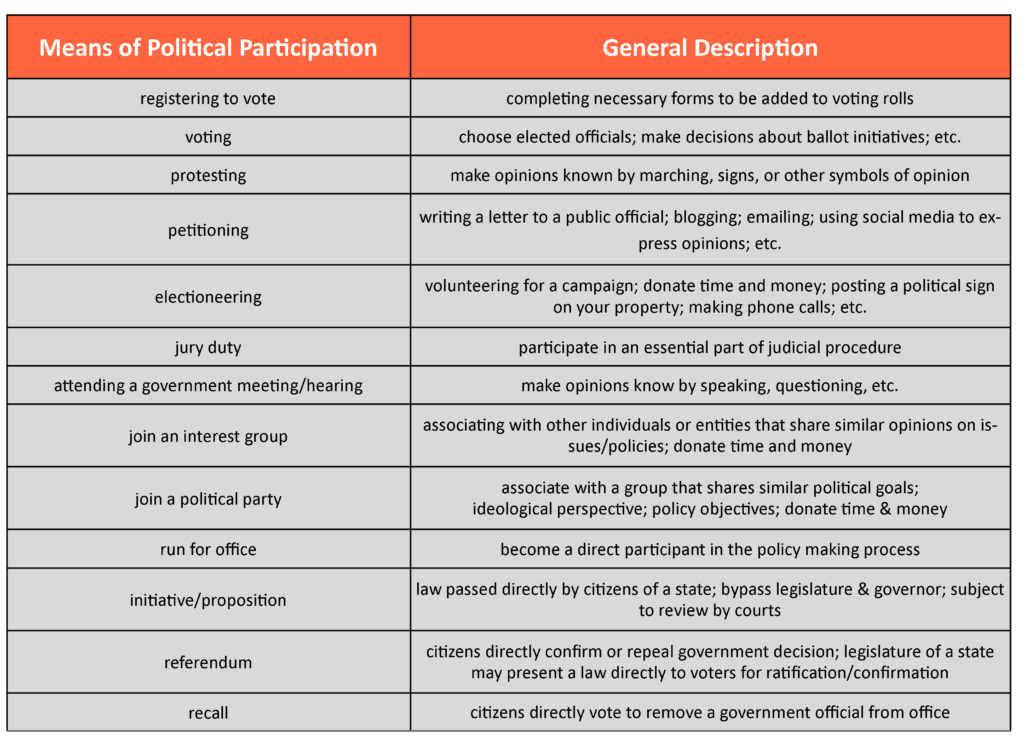
Political participation encompasses activities such as voting in elections, joining political parties, running for office, and participating in public debates. By exercising their right to vote, citizens play a crucial role in selecting representatives who will champion their interests and values. Moreover, active involvement in political parties allows individuals to influence party platforms and candidate selection processes.
Civic participation, on the other hand, involves engaging in non-political activities that aim to improve society as a whole. This can include volunteering for community projects, participating in local governance structures such as town hall meetings or community boards, or advocating for social justice issues. Civic engagement fosters a sense of belonging and collective responsibility among citizens, leading to stronger communities and increased social cohesion.
Both political and civic participation are vital for a healthy democracy. They enable citizens to express their views, address grievances, and shape the future of their societies. Through active engagement, individuals can bring about meaningful change by raising awareness about pressing issues, mobilising support for important causes, and holding institutions accountable for their actions.
It is important for governments and civil society organisations to create opportunities for meaningful participation by providing accessible channels for dialogue and feedback. By fostering an environment where diverse voices are heard and respected, we can build more inclusive societies that reflect the needs and aspirations of all citizens.
Ultimately, political and civic participation are not just rights but also responsibilities that come with living in a democratic society. By actively engaging in these processes, individuals can contribute to building a more just, equitable, and participatory world where everyone has the opportunity to make a difference.
Understanding Political and Civic Participation: Key Questions and Answers
- What is political participation?
- How can I get involved in politics?
- Why is civic participation important?
- What are the benefits of voting in elections?
- How does civic engagement contribute to community development?
- What role do citizens play in holding elected officials accountable?
- Are there opportunities for youth to participate in political and civic activities?
What is political participation?
Political participation refers to the active involvement of individuals in the political processes of a society, such as voting in elections, joining political parties, attending public meetings, and engaging in advocacy or activism. It encompasses a wide range of activities that enable citizens to have a voice in shaping government policies, electing representatives, and influencing decision-making at various levels. Political participation is fundamental to a functioning democracy as it allows individuals to express their views, contribute to public discourse, and hold elected officials accountable for their actions. By participating in political processes, citizens play a crucial role in shaping the direction of their communities and ensuring that their voices are heard in matters that affect their lives.
How can I get involved in politics?
Getting involved in politics is an empowering way to have a direct impact on the decisions that shape our communities and society as a whole. There are several avenues through which you can engage in politics, such as volunteering for political campaigns, joining a political party, attending public meetings and town halls, running for office at local levels, or simply staying informed about current affairs and voting in elections. By actively participating in the political process, you not only exercise your democratic rights but also contribute to creating a more responsive and inclusive governance system that reflects the diverse voices and needs of the population.
Why is civic participation important?
Civic participation is crucial because it empowers individuals to actively engage in shaping their communities and influencing decision-making processes. By participating in civic activities such as volunteering, community organising, and advocacy, citizens can contribute to the common good and address pressing social issues. Civic participation fosters a sense of belonging and shared responsibility among community members, leading to stronger social bonds and increased trust in institutions. Moreover, by involving diverse voices in the decision-making process, civic participation ensures that policies and initiatives are more inclusive, responsive, and reflective of the needs and values of all citizens. Ultimately, civic participation plays a vital role in promoting democracy, social cohesion, and positive societal change.
What are the benefits of voting in elections?
Voting in elections holds significant benefits for individuals and society as a whole. By participating in the electoral process, citizens have the opportunity to exercise their democratic right to choose representatives who align with their values and priorities. Through voting, individuals can voice their opinions on important issues, influence policy decisions, and hold elected officials accountable for their actions. Moreover, voting helps ensure that diverse perspectives are represented in governance, fostering a more inclusive and responsive democracy. Overall, active participation in elections strengthens the foundation of democratic principles and empowers citizens to shape the future direction of their communities.
How does civic engagement contribute to community development?
Civic engagement plays a pivotal role in community development by fostering a sense of collective responsibility and empowerment among citizens. When individuals actively participate in local governance structures, volunteer for community projects, and advocate for social causes, they contribute to building stronger and more resilient communities. Through civic engagement, residents can address pressing issues, promote social cohesion, and create positive change that reflects the diverse needs and aspirations of the community. By working together towards common goals and collaborating on initiatives that benefit the entire community, civic engagement not only enhances the quality of life for residents but also helps create a more inclusive and sustainable environment for future generations.
What role do citizens play in holding elected officials accountable?
Citizens play a crucial role in holding elected officials accountable by serving as the watchdogs of democracy. Through mechanisms such as voting, advocacy, and public scrutiny, citizens have the power to monitor the actions of their elected representatives and ensure that they act in the best interests of the public. By demanding transparency, participating in public debates, and raising awareness about issues of concern, citizens can hold elected officials accountable for their decisions and actions. This active engagement not only strengthens democratic governance but also reinforces the bond of trust between leaders and the communities they serve.
Are there opportunities for youth to participate in political and civic activities?
Young people today have abundant opportunities to engage in political and civic activities, shaping the future of their communities and countries. Various initiatives, such as youth councils, leadership programmes, and volunteer organisations, provide platforms for young individuals to voice their opinions, contribute to decision-making processes, and drive positive change. By participating in activities like voter registration drives, community service projects, advocacy campaigns, and youth parliaments, young people can make a meaningful impact on society while developing valuable skills and leadership qualities. Encouraging youth participation in political and civic spheres not only empowers the next generation of leaders but also enriches democracy by ensuring diverse perspectives are heard and represented.