
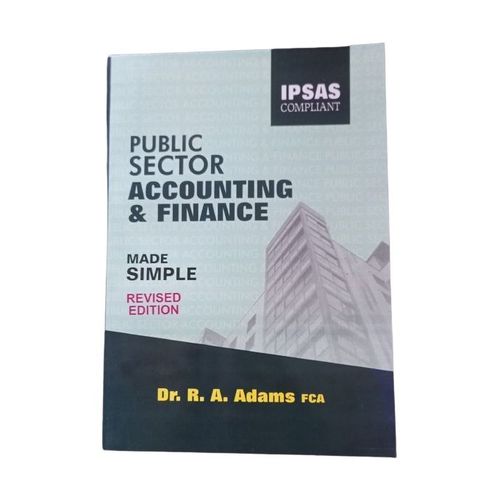
Public Finance Accounting: A Comprehensive Overview
In the realm of government operations, public finance accounting plays a crucial role in ensuring transparency, accountability, and efficiency in the management of public funds. This specialised branch of accounting focuses on the financial activities of government entities, including budgeting, revenue collection, expenditure tracking, and financial reporting.
One of the key principles of public finance accounting is the separation of funds to ensure that resources are allocated and utilised in accordance with legal requirements and budgetary constraints. This separation helps prevent mismanagement and fraud by clearly delineating funds for specific purposes such as education, healthcare, infrastructure development, and social welfare programmes.
Furthermore, public finance accountants are tasked with monitoring revenue streams to ensure that government entities have the necessary funds to meet their obligations. This involves assessing tax revenues, grants, loans, and other sources of income to create realistic budgets that align with the priorities and needs of the community.
Another critical aspect of public finance accounting is financial reporting. Government entities are required to produce comprehensive financial statements that provide a clear overview of their financial position, performance, and cash flows. These reports are essential for stakeholders such as taxpayers, legislators, oversight bodies, and international organisations to evaluate the fiscal health and stewardship of public resources.
Public finance accounting also involves compliance with regulatory frameworks and accounting standards specific to government entities. By adhering to these guidelines, public sector organisations can enhance transparency, maintain credibility with stakeholders, and demonstrate responsible financial management practices.
In conclusion, public finance accounting plays a vital role in promoting good governance and ensuring the efficient use of public funds. By upholding principles of transparency, accountability, and integrity in financial management practices, government entities can foster trust among citizens and contribute to sustainable economic development.
Understanding Public Finance Accounting: Key Questions and Insights
- What is the meaning of public accounting in finance?
- Is CIPFA equivalent to a degree?
- What is the public finance and accounting system?
- What is public sector accounting?
- What does a public finance accountant do?
- What is public in financial accounting?
- What are the different types of accounting?
What is the meaning of public accounting in finance?
Public accounting in finance refers to the specialised field that focuses on the financial management and reporting of government entities and public sector organisations. It encompasses a range of activities such as budgeting, revenue collection, expenditure tracking, and financial reporting to ensure transparency, accountability, and efficiency in the use of public funds. Public accountants in this context play a critical role in monitoring revenue streams, creating realistic budgets, and producing comprehensive financial statements that provide stakeholders with insights into the fiscal health and stewardship of public resources. By adhering to regulatory frameworks and accounting standards specific to government entities, public accountants help uphold principles of good governance and responsible financial management practices within the public sector.
Is CIPFA equivalent to a degree?
The Chartered Institute of Public Finance and Accountancy (CIPFA) qualification is not equivalent to a degree, but rather a professional certification that focuses on public finance accounting and management. While obtaining CIPFA accreditation demonstrates expertise in the field of public sector financial management, it does not confer the same academic recognition as a degree. Individuals pursuing CIPFA certification typically already hold a relevant degree or professional qualification and seek to enhance their knowledge and skills specifically in public finance accounting.
What is the public finance and accounting system?
The public finance and accounting system refers to the framework and processes through which government entities manage their financial resources, including revenue collection, budgeting, expenditure tracking, and financial reporting. This system is designed to ensure transparency, accountability, and efficiency in the management of public funds, with a focus on meeting the needs and priorities of the community. By adhering to established principles and standards, such as fund separation, revenue monitoring, and compliance with regulatory frameworks, the public finance and accounting system plays a critical role in promoting sound financial management practices within government organisations.
What is public sector accounting?
Public sector accounting refers to the specialised branch of accounting that focuses on the financial activities of government entities and organisations in the public sector. It involves the planning, recording, analysis, and reporting of financial transactions and resources within governmental bodies. Public sector accounting is essential for ensuring transparency, accountability, and efficiency in the management of public funds, as well as for complying with regulatory frameworks specific to government entities. By following established accounting principles and standards tailored to the public sector, organisations can effectively track and manage their finances to support public service delivery and uphold responsible stewardship of taxpayer money.
What does a public finance accountant do?
A public finance accountant plays a pivotal role in overseeing the financial activities of government entities. Their responsibilities encompass a wide range of tasks, including budgeting, revenue collection, expenditure tracking, and financial reporting. Public finance accountants ensure that public funds are allocated and utilised in accordance with legal requirements and budgetary constraints, thereby promoting transparency and accountability in the management of public resources. By monitoring revenue streams, creating realistic budgets, and producing comprehensive financial statements, public finance accountants help government organisations make informed financial decisions and demonstrate responsible stewardship of taxpayer money.
What is public in financial accounting?
In the context of financial accounting, the term “public” refers to the financial activities and transactions carried out by government entities or public sector organisations. Public finance accounting focuses on the management of funds allocated for public services, infrastructure development, social welfare programmes, and other government initiatives. The distinction lies in the fact that public finance accounting is concerned with the use of taxpayer money and other public resources to fulfil the responsibilities and obligations of government entities in serving the community. Transparency, accountability, and adherence to regulatory frameworks are paramount in ensuring that public funds are managed efficiently and ethically for the benefit of society as a whole.
What are the different types of accounting?
In the realm of public finance accounting, one frequently asked question is: “What are the different types of accounting?” Accounting encompasses various branches, each serving distinct purposes in financial management. The main types of accounting include financial accounting, which focuses on preparing financial statements for external stakeholders; management accounting, which aids internal decision-making through cost analysis and budgeting; tax accounting, which deals with tax compliance and planning; and auditing, which involves examining financial records for accuracy and compliance with regulations. Understanding the nuances of these different types of accounting is essential for effective financial governance in the public sector.