
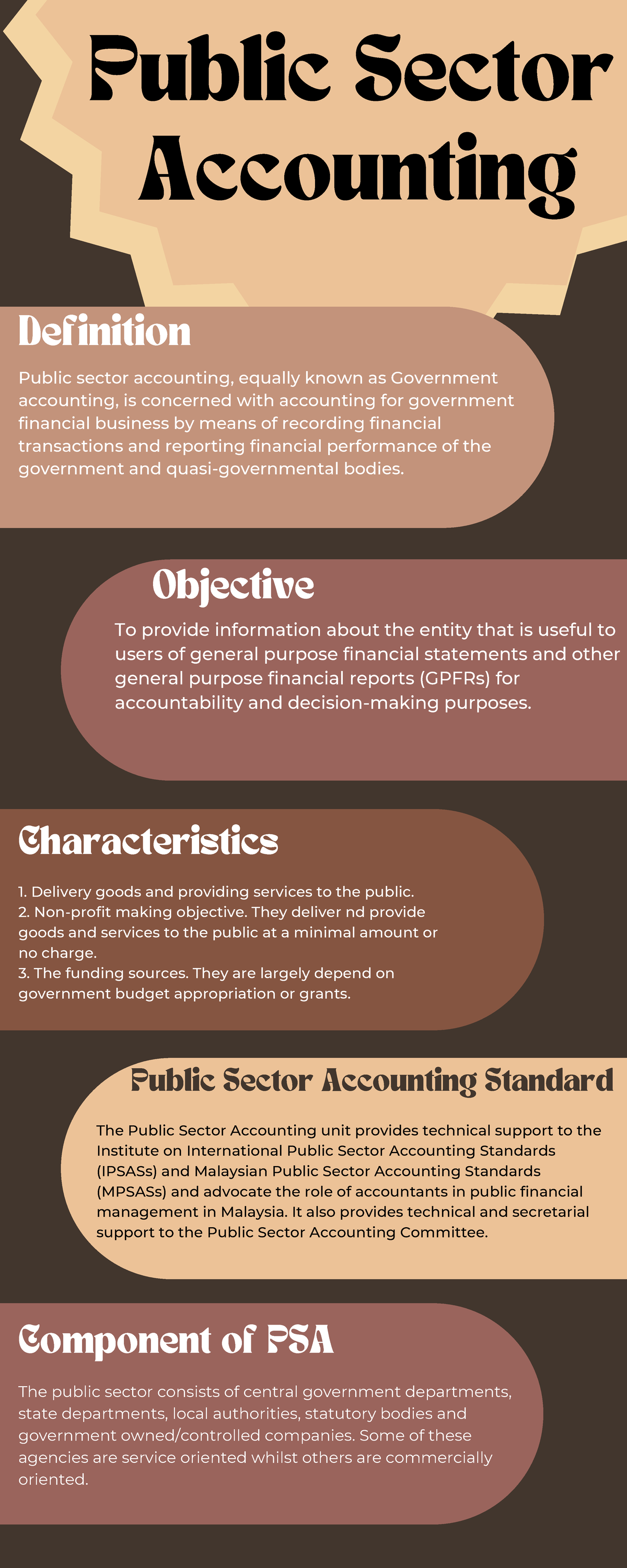
Public Service Accounting: Ensuring Transparency and Accountability
Public service accounting plays a crucial role in maintaining transparency and accountability within government agencies and organisations that provide services to the public. It involves the systematic recording, analysis, and reporting of financial transactions to ensure that public funds are managed efficiently and in accordance with established regulations and standards.
One of the primary objectives of public service accounting is to provide accurate and reliable financial information that can be used by policymakers, stakeholders, and the general public to assess the performance of government programs and services. By maintaining detailed records of revenues, expenditures, assets, and liabilities, public sector accountants help identify areas where resources can be optimised and potential risks mitigated.
Transparency is a key principle in public service accounting, as it ensures that government agencies are held accountable for their financial decisions and actions. Through transparent reporting practices, citizens can have confidence that public funds are being used responsibly and ethically to benefit society as a whole.
Accountability is another essential aspect of public service accounting. By establishing clear lines of responsibility for financial management and oversight, organisations can prevent fraud, waste, and abuse of public resources. Accountability mechanisms such as audits, internal controls, and performance evaluations help maintain integrity within the public sector.
In addition to promoting transparency and accountability, public service accounting also serves as a tool for improving decision-making processes within government agencies. By providing accurate financial data and analysis, policymakers can make informed choices about resource allocation, budgeting priorities, and strategic planning initiatives.
In conclusion, public service accounting plays a vital role in upholding the principles of transparency and accountability in government operations. By adhering to established accounting standards and best practices, organisations can enhance their credibility with stakeholders and demonstrate their commitment to responsible financial management. Ultimately, effective public service accounting contributes to the overall efficiency and effectiveness of government services for the benefit of society.
Key Benefits of Public Service Accounting: Enhancing Transparency, Accountability, and Efficiency in Government Operations
- Enhances transparency in government financial operations
- Promotes accountability for the use of public funds
- Helps identify areas for cost savings and resource optimization
- Facilitates informed decision-making by policymakers
- Contributes to the efficient and effective delivery of government services
Challenges in Public Service Accounting: Navigating Complexity, Cost, and Bureaucracy
Enhances transparency in government financial operations
Public service accounting serves as a cornerstone in enhancing transparency within government financial operations. By meticulously recording and reporting financial transactions, public sector accountants provide a clear and detailed view of how public funds are allocated and utilised. This transparency not only fosters trust among citizens but also enables stakeholders to scrutinise government spending, ensuring that resources are managed ethically and in the best interest of the public. Ultimately, the transparency facilitated by public service accounting promotes accountability and integrity in government financial practices, leading to a more open and responsible administration of public funds.
Promotes accountability for the use of public funds
Public service accounting serves as a cornerstone in promoting accountability for the use of public funds. By maintaining meticulous records and conducting thorough financial analysis, public sector accountants ensure that every penny of taxpayer money is tracked and utilised in a transparent and responsible manner. This proactively prevents misuse or mismanagement of public funds, holding government agencies and officials accountable for their financial decisions and actions. Through robust accounting practices, the public can have confidence that their hard-earned money is being allocated efficiently and effectively to benefit society as a whole.
Helps identify areas for cost savings and resource optimization
Public service accounting serves as a valuable tool in identifying areas for cost savings and resource optimisation within government agencies and public organisations. By meticulously recording and analysing financial transactions, accountants can pinpoint inefficiencies, redundancies, or areas of overspending. This enables policymakers to make informed decisions on where to streamline operations, reallocate resources, or implement cost-saving measures without compromising the quality of services provided to the public. Ultimately, this proactive approach to financial management helps ensure that public funds are utilised efficiently and effectively, maximising the impact of government programmes and services.
Facilitates informed decision-making by policymakers
Public service accounting serves as a valuable tool that facilitates informed decision-making by policymakers. By providing accurate and up-to-date financial information, public sector accountants enable policymakers to make data-driven choices regarding resource allocation, budget priorities, and strategic planning initiatives. This proactive approach ensures that government decisions are based on sound financial analysis, leading to more effective and efficient use of public funds for the benefit of society as a whole.
Contributes to the efficient and effective delivery of government services
Public service accounting significantly contributes to the efficient and effective delivery of government services by ensuring that financial resources are allocated optimally and in alignment with the intended outcomes. By maintaining accurate records of revenues and expenditures, public sector accountants enable government agencies to track their spending, identify areas for improvement, and make informed decisions about resource allocation. This proactive approach not only enhances the transparency and accountability of public funds but also helps streamline operations, improve service quality, and ultimately maximise the impact of government services on society as a whole.
Complexity
The complexity of public service accounting poses a significant challenge, as the diverse nature of government operations and funding sources can result in intricate financial structures that are prone to errors and discrepancies in reporting. Managing the finances of various departments and programmes within a government entity requires meticulous attention to detail and a deep understanding of complex accounting principles. The intricate web of revenue streams, expenditures, grants, and regulations adds layers of complexity that can make accurate financial reporting a daunting task. As a result, navigating through this complexity demands skilled professionals who are adept at handling the nuances of public sector accounting to ensure transparency and accuracy in financial disclosures.
Cost
The cost associated with implementing and maintaining robust public service accounting systems poses a significant challenge for government agencies. The financial investment required for advanced technology, specialised training, and skilled personnel can strain already limited budgets. Ensuring compliance with stringent regulatory requirements further adds to the financial burden. As a result, the high costs involved in establishing effective public service accounting systems may hinder some agencies from achieving optimal transparency and accountability in their financial management practices.
Bureaucracy
Bureaucracy within government organisations can be a significant con of strict adherence to public service accounting standards and regulations. While these standards are essential for ensuring transparency and accountability, the rigid bureaucratic processes that accompany them can sometimes hinder agility and decision-making. The extensive documentation requirements, approval procedures, and layers of oversight can slow down operations, making it challenging for government agencies to respond quickly to changing circumstances or make timely decisions. This bureaucratic inefficiency may impede innovation, delay critical projects, and limit the ability of organisations to adapt to evolving needs within the public sector.