
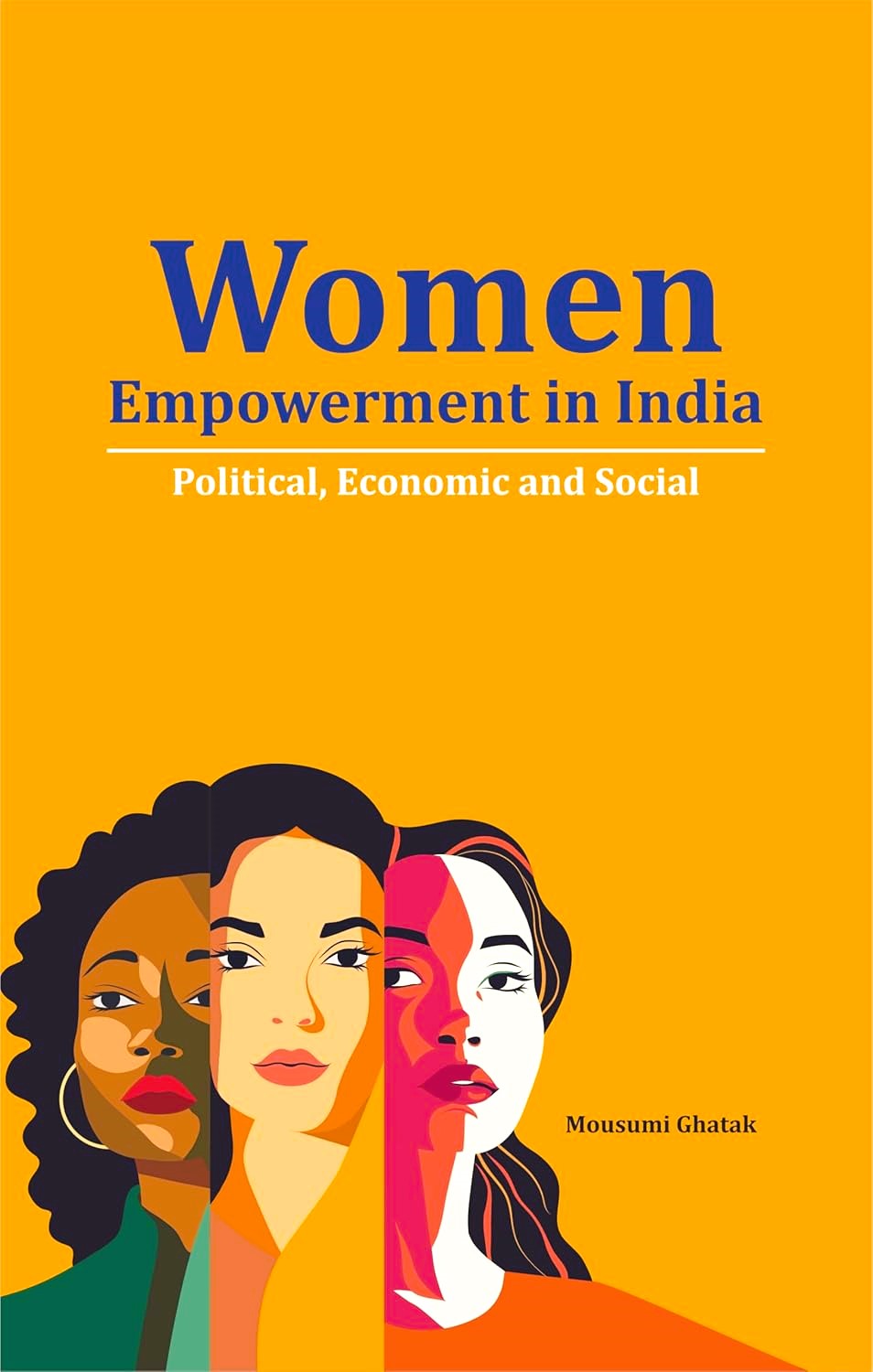
Social Women’s Empowerment: Breaking Barriers and Building Bridges
Women’s empowerment is a vital aspect of creating a more inclusive and equitable society. When women are empowered, they are better able to participate in decision-making processes, access resources, and contribute to the social and economic development of their communities.
Social women’s empowerment goes beyond individual success; it involves breaking down systemic barriers that prevent women from reaching their full potential. This includes addressing issues such as gender discrimination, unequal access to education and healthcare, and limited economic opportunities.
By empowering women socially, we can create a ripple effect that benefits not only women themselves but also their families, communities, and society at large. When women are given the tools and support they need to thrive, they can become agents of change who drive progress and innovation in various fields.
One key aspect of social women’s empowerment is fostering a supportive environment where women feel safe to express themselves, pursue their goals, and challenge societal norms. This can be achieved through initiatives that provide mentorship, skills training, networking opportunities, and advocacy for gender equality.
It is essential for governments, organisations, and individuals to work together towards creating a more gender-inclusive society. By recognising the importance of social women’s empowerment and taking concrete steps to promote it, we can build a brighter future where all individuals have equal opportunities to succeed.
Let us join hands in breaking barriers and building bridges towards a more empowered and inclusive world for women everywhere.
Exploring Key Aspects and Examples of Women’s Social Empowerment: Frequently Asked Questions
- What are the 5 points of empowerment?
- What are the 5 points of women’s empowerment?
- What are the 7 principles of women’s empowerment?
- What is an example of social empowerment?
- What is an example of female empowerment?
- What are the social factors in empowerment?
- What is social empowerment activities?
What are the 5 points of empowerment?
Empowerment for women encompasses various key points that are essential for fostering their social and economic advancement. The five fundamental points of empowerment include access to education and skills training to enhance capabilities, ensuring equal opportunities in the workforce and leadership positions, promoting financial independence through economic resources and entrepreneurship, advocating for gender equality in all aspects of society, and providing a supportive environment that encourages women to voice their opinions and make informed decisions about their lives. These points form the foundation of women’s empowerment initiatives, aiming to break down barriers and create a more inclusive society where women can thrive and contribute meaningfully.
What are the 5 points of women’s empowerment?
Women’s empowerment encompasses various dimensions that are essential for achieving gender equality and promoting women’s rights. The five key points of women’s empowerment include access to education and skills training, economic independence and financial inclusion, participation in decision-making processes at all levels of society, access to healthcare and reproductive rights, and the elimination of gender-based violence and discrimination. By addressing these fundamental aspects, we can create a more equitable and inclusive world where women have the opportunity to fulfil their potential and contribute meaningfully to society.
What are the 7 principles of women’s empowerment?
The 7 principles of women’s empowerment serve as guiding values that underpin efforts to promote gender equality and empower women in society. These principles include promoting women’s economic independence, ensuring access to education and training, fostering women’s leadership and participation in decision-making processes, eradicating violence and discrimination against women, promoting women’s health and well-being, ensuring equal rights and opportunities for women in all spheres of life, and advocating for the recognition of women’s rights as human rights. By upholding these principles, we can create a more equitable and inclusive society where women have the agency and support they need to thrive and contribute meaningfully to their communities.
What is an example of social empowerment?
An example of social empowerment in the context of women’s empowerment is the establishment of community-led initiatives that provide women with access to education and skills training. By creating programmes that equip women with knowledge and resources to improve their livelihoods, such as vocational training workshops or adult education classes, communities can empower women to become economically self-sufficient and active participants in decision-making processes. This form of social empowerment not only enhances individual women’s capabilities but also strengthens the overall social fabric by promoting gender equality and fostering a culture of inclusivity and support.
What is an example of female empowerment?
An example of female empowerment can be seen in the rise of women leaders breaking barriers and shattering stereotypes in various fields. For instance, the appointment of women to high-ranking political positions, such as heads of state or government ministers, showcases how women can wield significant influence and drive positive change on a national and global scale. Female empowerment is also evident in initiatives that provide education and economic opportunities to women in underserved communities, enabling them to become self-sufficient and active contributors to society. Through these examples and many more, female empowerment demonstrates the transformative impact of supporting and uplifting women to reach their full potential.
What are the social factors in empowerment?
Social factors play a crucial role in women’s empowerment by shaping the environment in which women live and work. These factors include access to education, healthcare, economic opportunities, social support networks, and cultural norms. Education empowers women by providing them with knowledge and skills to make informed decisions and pursue their goals. Access to healthcare ensures that women can lead healthy lives and participate fully in society. Economic opportunities enable women to achieve financial independence and contribute to the economy. Social support networks offer encouragement, mentorship, and a sense of community that helps women navigate challenges and seize opportunities. Cultural norms influence attitudes towards gender roles and can either empower or constrain women’s agency and autonomy. By addressing these social factors comprehensively, we can create an environment where women have the resources and support they need to thrive and contribute meaningfully to society.
What is social empowerment activities?
Social empowerment activities refer to initiatives and programmes designed to enhance the social standing, agency, and participation of women in society. These activities aim to address systemic barriers and inequalities that hinder women’s progress by providing them with opportunities for skill development, education, leadership training, and access to resources. Through social empowerment activities, women are encouraged to challenge traditional gender roles, advocate for their rights, and actively engage in decision-making processes within their communities. By fostering a supportive environment that promotes gender equality and inclusivity, these activities play a crucial role in empowering women to realise their full potential and contribute meaningfully to society.