
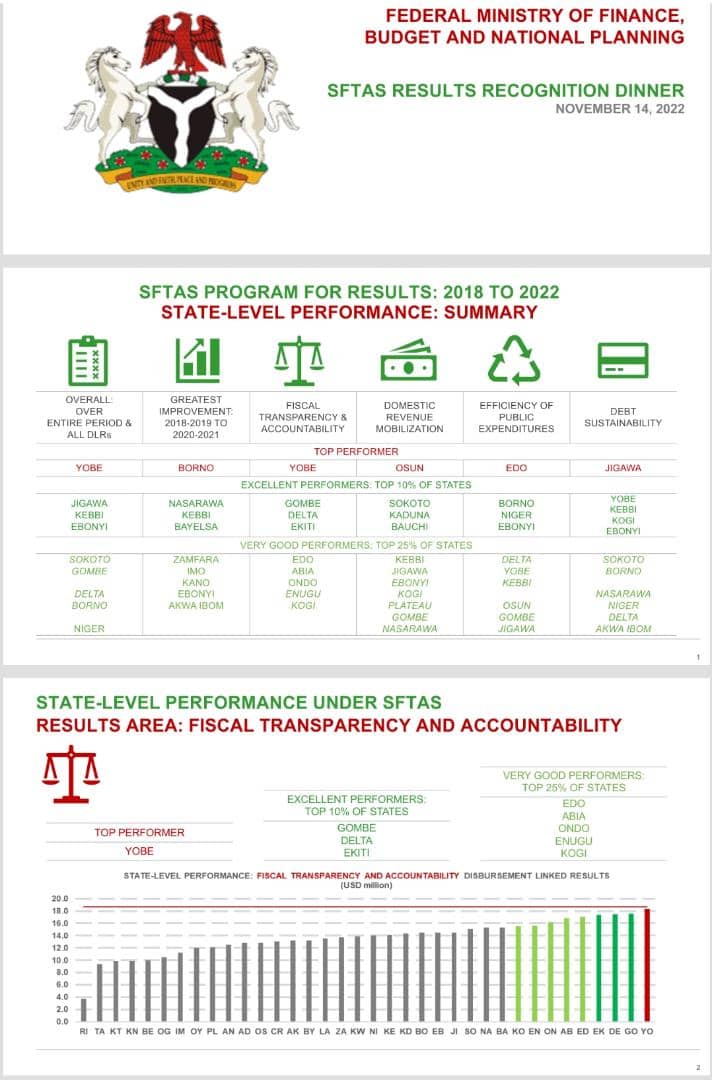
State Fiscal Transparency, Accountability, and Sustainability
In today’s complex economic landscape, the principles of fiscal transparency, accountability, and sustainability are crucial for the effective governance of a state. These principles form the foundation of a responsible and efficient fiscal policy that ensures the well-being of citizens and the stability of the economy.
Fiscal Transparency: Transparency in fiscal matters involves making information about government finances readily available to the public. This includes clear reporting on budget allocations, revenue sources, expenditures, and debt levels. By providing easy access to this information, governments promote trust and confidence among citizens and stakeholders.
Fiscal Accountability: Accountability goes hand in hand with transparency. It involves holding government officials responsible for their financial decisions and ensuring that public funds are used effectively and ethically. Establishing mechanisms for oversight and audit plays a key role in maintaining fiscal accountability.
Fiscal Sustainability: Sustainable fiscal policies are those that balance current needs with future obligations. Governments must ensure that their spending is sustainable in the long term, taking into account factors such as economic growth, demographic changes, and environmental considerations. By planning for the future, states can avoid fiscal crises and maintain stability.
Overall, state fiscal transparency, accountability, and sustainability are essential components of good governance. When governments adhere to these principles, they build trust with citizens, attract investment, and create a solid foundation for economic growth. By prioritising these values in fiscal decision-making processes, states can pave the way for a prosperous and stable future.
Understanding Fiscal Sustainability, Transparency, and Accountability: Key Questions Answered
- What is the meaning of fiscal sustainability?
- What is the full meaning of Sftas?
- What is the fiscal sustainability of the country?
- What is fiscal transparency and accountability?
- What is transparency and accountability in sustainable development?
- What are the four pillars of fiscal transparency?
What is the meaning of fiscal sustainability?
Fiscal sustainability refers to the ability of a state to maintain its current spending levels and meet its financial obligations in the long term without jeopardising future generations’ ability to do the same. It involves striking a balance between government revenues and expenditures over time, taking into account factors such as economic growth, demographic trends, and potential risks. Ensuring fiscal sustainability requires careful planning and prudent management of public finances to avoid excessive debt accumulation or budget deficits that could undermine the state’s financial health and stability. By prioritising fiscal sustainability, governments can safeguard their capacity to provide essential services, invest in infrastructure, and support economic growth while preserving intergenerational equity.
What is the full meaning of Sftas?
The acronym SFTAS stands for State Fiscal Transparency, Accountability, and Sustainability. This framework represents a comprehensive approach to ensuring that state governments maintain transparency in their fiscal operations, hold themselves accountable for financial decisions, and implement sustainable policies that safeguard the long-term economic health of the state. By adhering to the principles outlined in SFTAS, states can enhance governance practices, promote public trust, and foster economic stability and growth.
What is the fiscal sustainability of the country?
The question “What is the fiscal sustainability of the country?” delves into a critical aspect of state governance and economic management. Fiscal sustainability refers to the ability of a country to maintain its current spending levels without jeopardising future generations’ ability to meet their own needs. It involves balancing revenue generation with expenditure commitments in a way that ensures long-term financial stability and resilience. Assessing fiscal sustainability requires considering factors such as economic growth, demographic trends, debt levels, and government policies. By addressing this question, policymakers and citizens can gauge the country’s capacity to manage its finances responsibly and secure a prosperous future for all.
What is fiscal transparency and accountability?
Fiscal transparency and accountability refer to the practices and mechanisms that ensure the open disclosure of government financial information and hold officials responsible for their management of public funds. Fiscal transparency involves providing clear and accessible details about budget allocations, revenue sources, expenditures, and debt levels to the public. Accountability, on the other hand, involves establishing mechanisms for oversight and audit to ensure that government officials are held answerable for their financial decisions. Together, fiscal transparency and accountability promote trust, integrity, and effectiveness in the management of state finances, fostering good governance and citizen confidence in the fiscal policies of a state.
What is transparency and accountability in sustainable development?
Transparency and accountability in sustainable development are fundamental principles that ensure the responsible and ethical management of resources for the long-term benefit of society and the environment. Transparency refers to the open sharing of information and decision-making processes related to sustainable development initiatives. It involves making data, policies, and actions accessible to all stakeholders, fostering trust and understanding. Accountability, on the other hand, holds individuals and institutions responsible for their commitments and actions in achieving sustainable development goals. By upholding transparency and accountability in sustainable development efforts, governments, organisations, and communities can work collaboratively towards creating a more equitable, resilient, and environmentally conscious future for generations to come.
What are the four pillars of fiscal transparency?
The four pillars of fiscal transparency are essential components that underpin a state’s commitment to openness and accountability in financial matters. These pillars include timely publication of budget information, comprehensive coverage of government finances, reliable fiscal data, and clarity in reporting on fiscal policies and decisions. By upholding these pillars, governments demonstrate their dedication to providing citizens and stakeholders with accessible and accurate information about public finances, fostering trust, promoting accountability, and ensuring the sustainability of fiscal policies for the well-being of society as a whole.